

Line Boring Operator Training: Mastering Precision Bore Repair in 2026

Updated: Sep 1
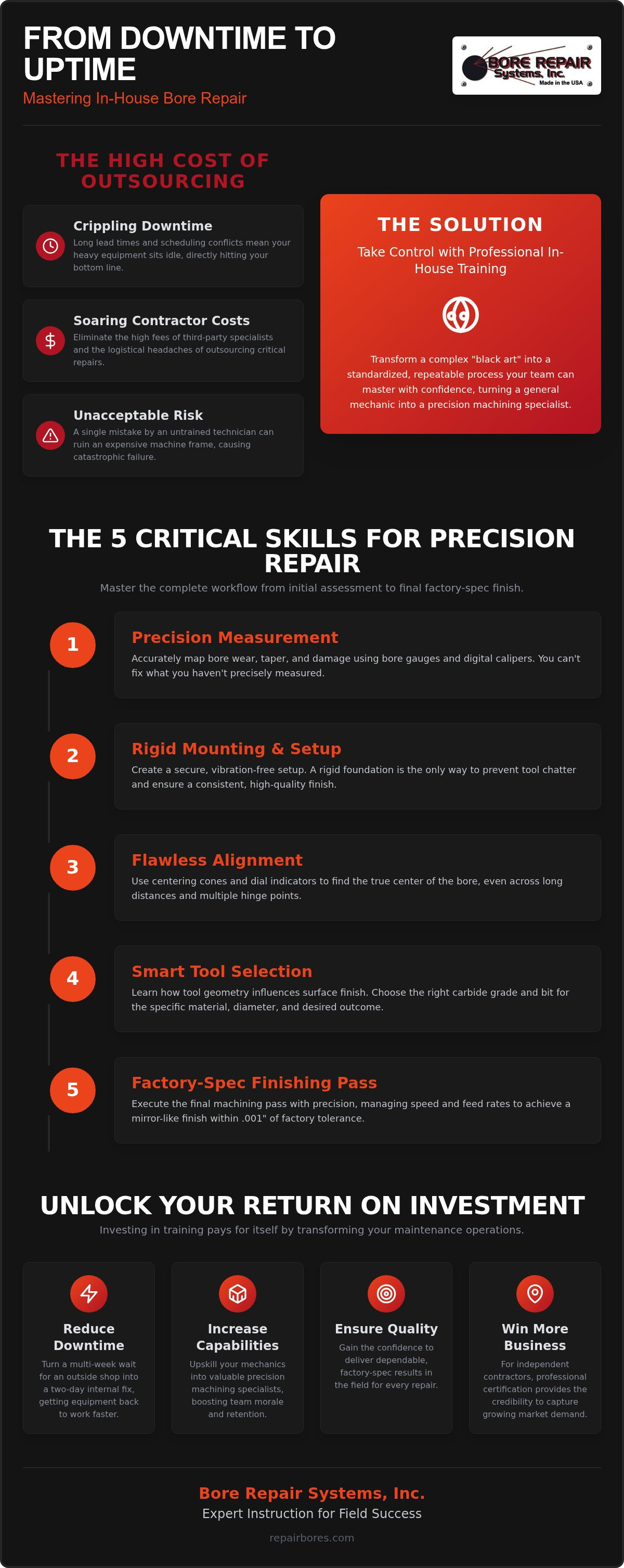
Every hour your heavy equipment sits idle waiting for an outside contractor is a direct hit to your bottom line. You've likely felt the sting of long lead times and the high cost of outsourcing repairs your own team could handle. It's a common worry that an untrained technician might ruin an expensive machine frame through improper machining. Comprehensive line boring operator training solves these problems by turning a "black art" into a standardized, repeatable process that protects your assets.
Professional education transforms complex bore repair into a skill set your maintenance department can master with confidence. By investing in structured training, you'll learn how to achieve factory-spec tolerances in-house and eliminate the need for third-party contractors. We'll cover the specific technical skills required for precision bore repair in 2026, the value of professional certification for your operators, and how modern training methods simplify even the most difficult on-site machining challenges.
Table of Contents
Line Boring Operator Training: Why is it Essential?
Line boring operator training is a structured educational program. It teaches the precise setup, alignment, and machining of industrial bores. This isn't a simple task of enlarging a hole. It's about restoring mechanical integrity to frames, pivots, and hinges. The technical process of Boring (manufacturing) requires a level of precision that general maintenance doesn't cover. This training marks the transition from being a general mechanic to becoming a precision machining specialist.
Relying on YouTube tutorials for high-tolerance heavy equipment is a recipe for disaster. Videos can't provide real-time feedback on vibration, tool chatter, or bar deflection. Professional line boring operator training offers hands-on instruction that prevents catastrophic equipment failure. A single mistake in alignment can ruin a casting worth tens of thousands of dollars. We teach you how to get it right the first time, every time. This expertise ensures your repairs are repeatable and meet strict factory specifications.
The Core Objectives of Professional Instruction
Professional training focuses on the physics of metal removal. You'll learn how tool geometry influences surface finish and heat dissipation. It's also vital to understand material science. The steel in a 2026 excavator frame reacts differently than a vintage crane casting. We also instill a safety-first mindset. Portable line boring machines are high-torque tools. Operating them without proper protocols is dangerous for the operator and the machine. Our instructors ensure you respect the power of the equipment while maintaining tolerances within thousandths of an inch.
Who Should Attend Line Boring Training?
This curriculum serves anyone who wants to control their own repair schedule and improve their shop's efficiency.
Heavy equipment mechanics: Stop being the middleman. Expand your skills to handle complex bore repairs without calling a specialized contractor.
Fleet maintenance managers: Reduce your equipment downtime. Bringing these skills in-house can turn a two-week wait for an outside shop into a two-day internal fix.
Independent contractors: The global portable line boring machine market is projected to reach $2.38 billion by 2034. Professional certification gives you the credibility to capture this growing demand and win high-value contracts.
Mastering these skills allows you to deliver factory-spec results in the field. It's about dependability, precision, and the confidence to tackle any bore repair challenge.
The Core Curriculum: Key Skills Every Operator Must Master
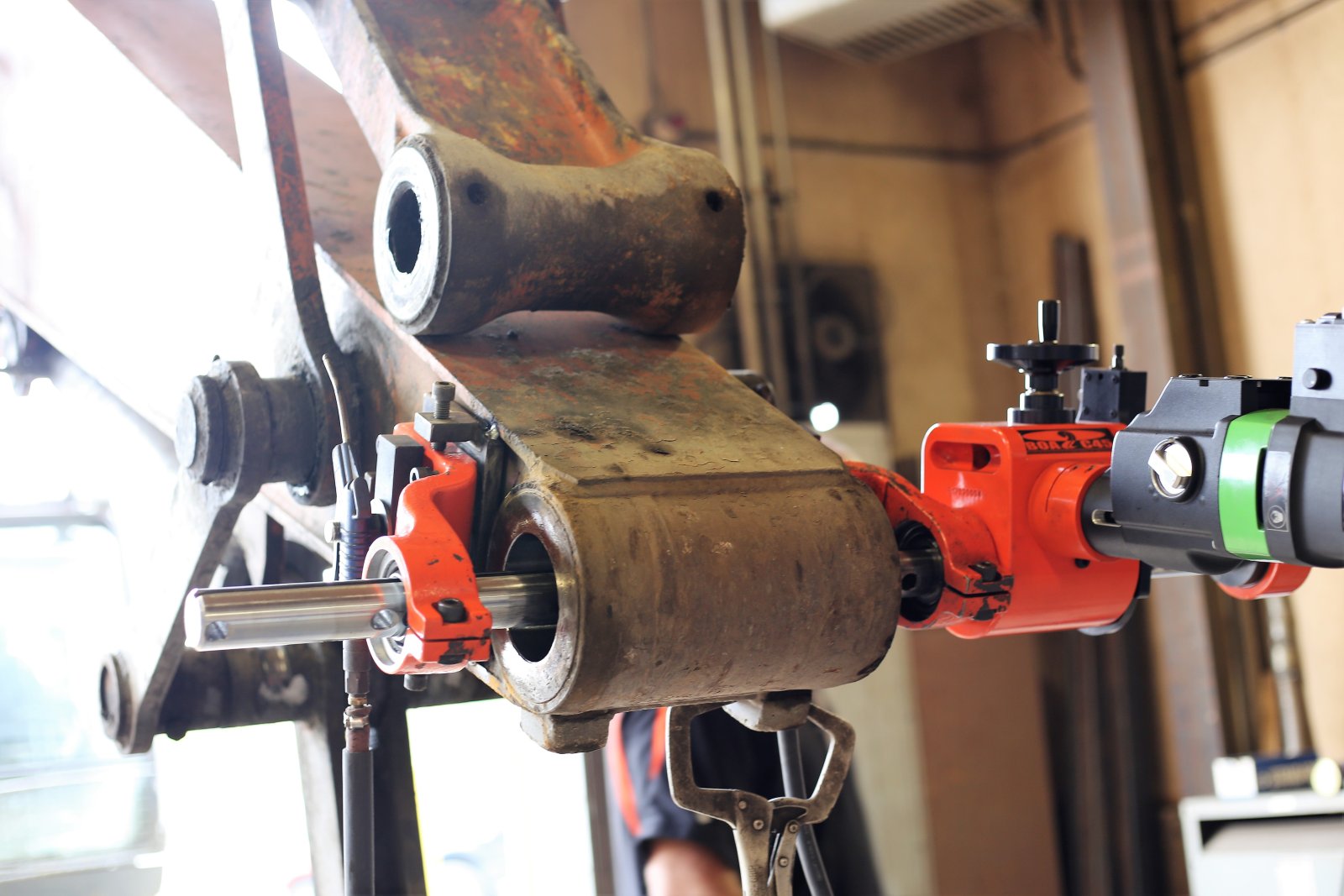
Professional line boring operator training isn't about watching a machine run. It's about mastering the five critical steps that ensure a bore is concentric, straight, and within tolerance. The process begins with precision measurement. You can't fix what you haven't accurately measured. We teach the use of bore gauges and digital calipers to identify egg-shaped bores or tapered wear patterns. Once the damage is mapped, the second step is secure mounting. A rigid setup is the only way to prevent tool chatter and ensure a consistent finish.
Alignment follows mounting, using centering cones and dial indicators to find the true center of the bore. We then move to tool bit selection. Choosing the right carbide grade and sharpening the bit for specific diameters determines the quality of the cut. The final step is executing the finishing pass. This is where the operator meets factory tolerances, often within .001 of an inch. If you want to see the equipment that makes these high-precision results possible, explore our range of line boring machines and accessories.
Mastering Alignment and Centering
Mastering alignment is often the most challenging part of the job. Centering kits use specialized cones to roughly position the bar, but the final precision comes from dial indicators. We show you how to align across long distances, such as loader arms with multiple hinge points. Troubleshooting happens before the first chip falls. You must detect bar sag or misalignment early. If you don't catch these issues during setup, you'll spend hours fixing a mistake that could have been avoided in minutes.
Advanced Machining Techniques
Advanced machining involves managing the variables of speed and pressure. Spindle speed must match the diameter and material hardness to avoid overheating the tool bit. Feed rate in portable line boring refers to the linear distance the cutting tool travels along the bar for each revolution of the spindle. Getting this right ensures a mirror-like finish and prevents tool wear. We also focus on managing vibration. Operators learn to adjust the setup to eliminate chatter, which is essential for maintaining the mechanical integrity of the repair. This level of detail is what separates a certified operator from a general mechanic.
Why Automated Bore Welding and Machining Training Go Hand-in-Hand
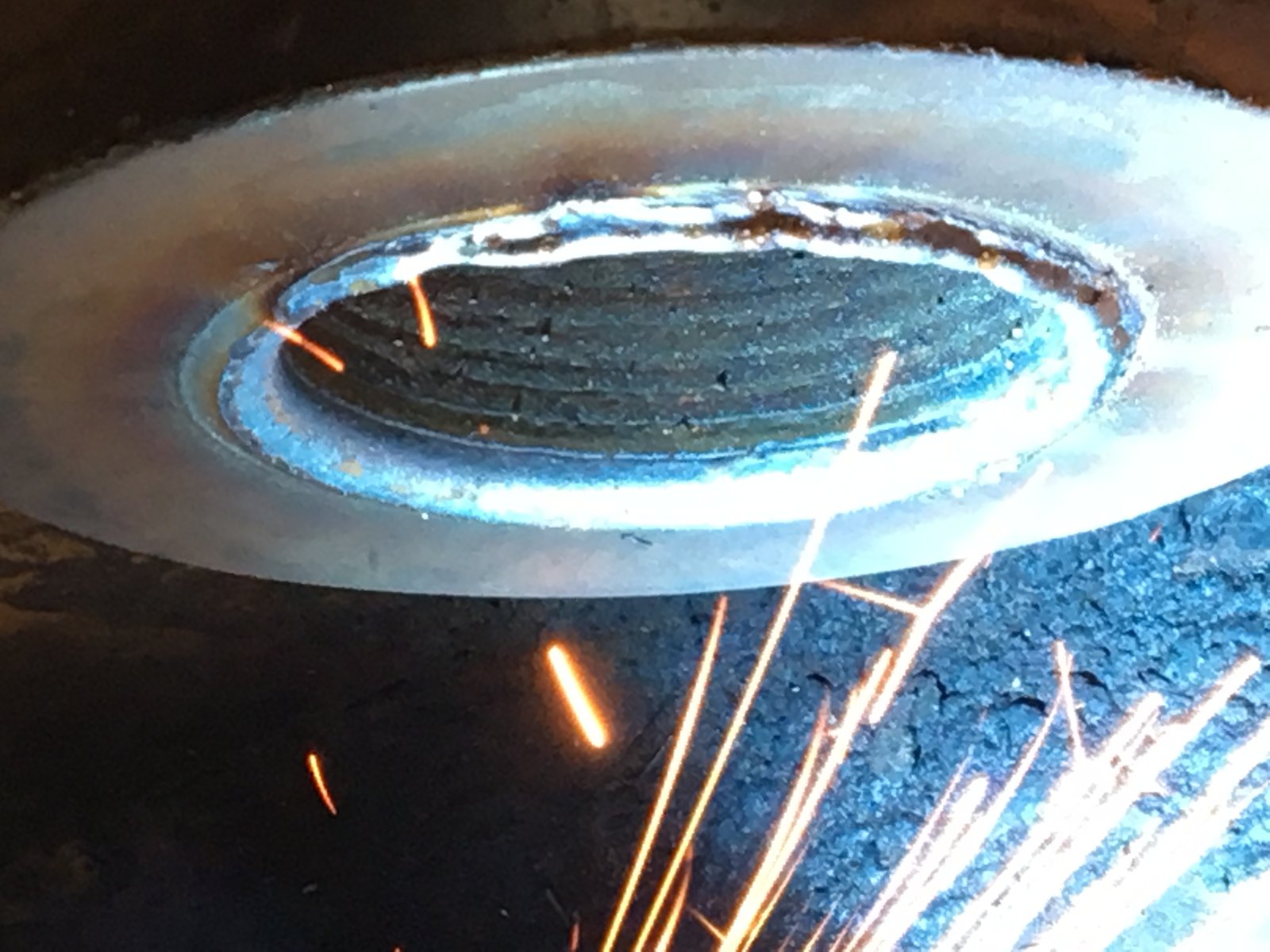
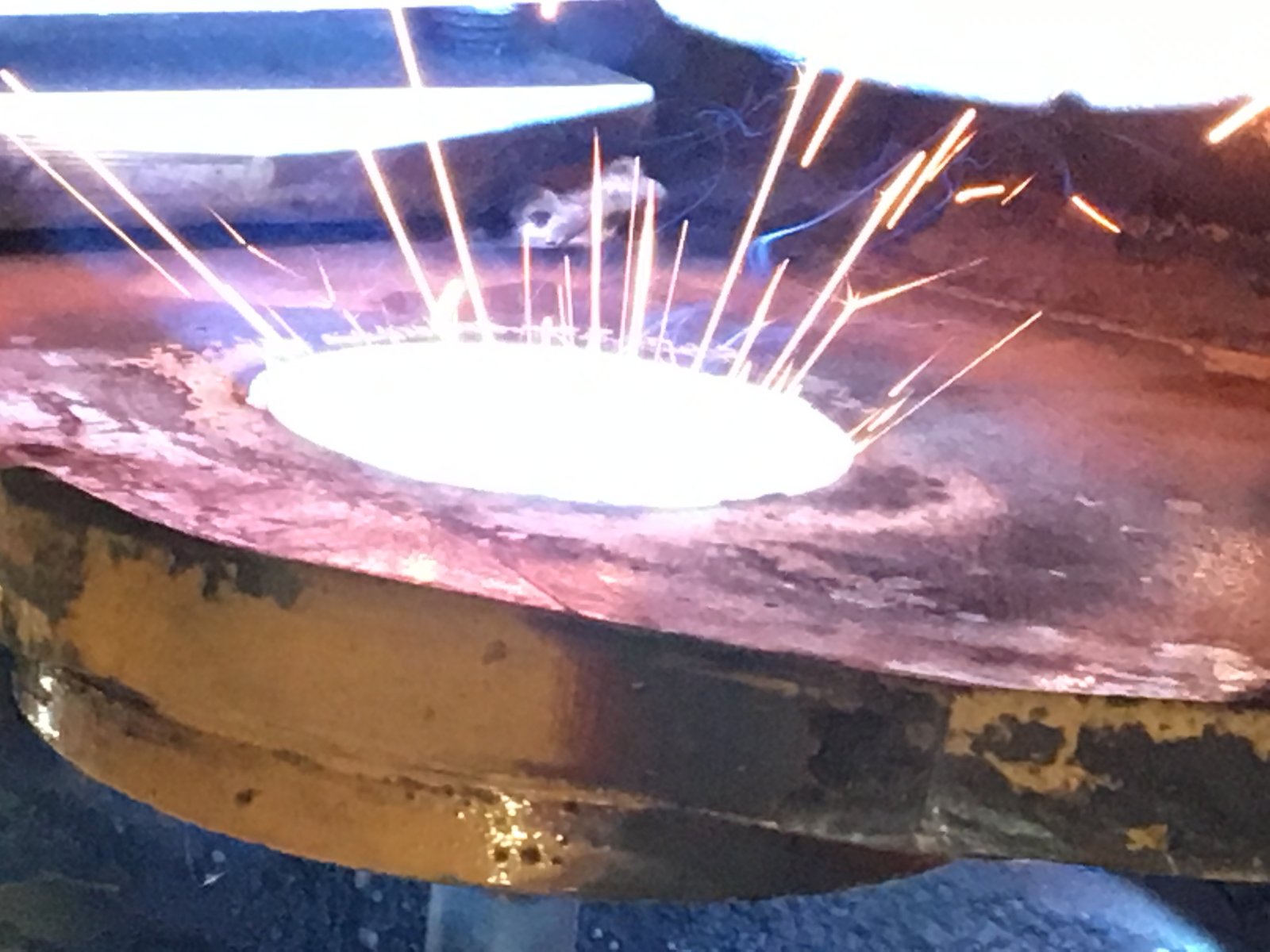
Machining is only half the battle. If a bore is worn past factory limits, simply cutting it larger isn't always an option. You must add metal back to the surface before you can machine it to size. Automated bore welding creates a consistent, high-quality surface that's ready for the cutting tool. Professional line boring operator training must include this "weld-and-bore" cycle to be truly effective. It allows your team to restore equipment to its original specifications rather than just making holes bigger. This approach reduces the need for oversized pins and bushings, keeping your parts inventory standardized across the fleet.
Integrating these two processes eliminates the guesswork of manual repair. When an operator tries to weld a bore by hand, they often create uneven buildup and voids. These defects lead to tool breakage and poor surface finishes during the machining phase. By using an automated system, you ensure the metal is applied uniformly. This synergy reduces the number of machining passes required and protects your expensive carbide bits from unnecessary wear.
Integrating Bore Welders into the Workflow
Efficiency starts with the right equipment. When looking for a bore welder for sale, prioritize systems that offer automated spiral welding. This technology eliminates the inconsistencies of manual welding. Training teaches you how to ensure a strong metallurgical bond between the new weld and the base metal. You'll also learn to use specialized bore welding accessories. These tools allow you to reach deep into obstructed pivot points that would be impossible to weld by hand, ensuring the repair is as strong as the original casting.
Achieving Concentricity Between Welding and Boring
The biggest time-saver in bore repair is maintaining a single setup. If you can weld and bore using the same mounting fixtures, you never lose your centerline. This integration is a core focus of modern line boring operator training. It reduces hours of realignment work and eliminates the compounding errors that happen when you move equipment between steps. Consider these advantages of a unified workflow:
Centerline Integrity: Using the same bar for welding and boring ensures the finished hole is perfectly concentric to the original axis.
Hard Spot Prevention: Proper training covers heat control, which prevents the formation of hard spots that break cutting tools.
Reduced Downtime: A streamlined process allows a single operator to complete the entire repair without waiting for a separate welding specialist.
By mastering the welding parameters first, you protect your machining tools and ensure a mirror finish on the final cut. This dual-skill proficiency is what defines a truly expert operator in the field.
The Business Case: Evaluating the ROI of Trained Operators
Investing in line boring operator training is a strategic financial decision, not just a technical one. When a machine is down, the costs compound every hour. You aren't just paying for the repair; you're losing production revenue. Most fleet owners find that the cost of a single major outsourced repair can equal a significant portion of the investment required for in-house equipment and training. By developing these skills internally, you move from a reactive maintenance model to a proactive one. This shift protects your margins and ensures your equipment stays in the dirt where it earns its keep.
Reducing Outsourcing Dependencies
The true cost of outsourcing includes more than just the contractor's invoice. You must account for the long lead times caused by the global shortage of skilled machinists. Waiting weeks for a specialized technician to arrive on-site is a luxury most projects can't afford. In-house expertise allows you to perform repairs on-site, eliminating the massive expense of transporting heavy components to a machine shop. Calculate the savings on disassembly, rigging, and freight. For many operations, repairing just three to five bores in-house pays for the initial training investment. If you're ready to stop relying on outside schedules, view our bore repair equipment and training services to take control of your maintenance.
Extending Equipment Life Cycles
Precision is the enemy of wear. A trained operator doesn't just fix a hole; they restore the mechanical integrity of the entire frame. Improperly aligned bores lead to uneven loading, which causes pin failure and eventual frame cracking. Operators who have completed professional line boring operator training are better equipped to identify early wear patterns before they require major surgery. This early detection extends the life cycle of your fleet and prevents catastrophic failures that lead to expensive warranty claims. To keep your tools in top shape while your team builds these skills, follow our guide on line boring machine maintenance. Doing the job right the first time eliminates the need for rework and keeps your equipment running at factory-spec tolerances for thousands of additional hours.
Bore Repair Systems: Expert Instruction for Field Success
At Bore Repair Systems, Inc., we don't just sell equipment; we provide the bridge to professional results. Our line boring operator training is designed by the same engineers who manufacture our bore welders and boring machines. This direct connection between manufacturing and education ensures you're learning from the source. We prioritize a pragmatic, no-nonsense approach that skips marketing fluff and focuses on the mechanical realities of the field. We focus on education rather than competing with our customers for repair jobs, which positions us as a dedicated partner in your success.
Our goal is to simplify the process. While the work is heavy and technical, the tools should make the resolution straightforward. This philosophy is baked into every training session. We show you how our patented automated technology removes the guesswork from complex repairs. By the time you finish the program, you'll have the confidence to handle high-precision repairs that previously required expensive outside contractors.
Hands-On Training with Professional Equipment
We keep class sizes small to ensure every operator gets significant "bar time." You'll build muscle memory and confidence by working directly with the machinery. You'll also learn to utilize the latest line boring machine accessories for maximum versatility in the shop or field. Our instruction is customized. If your fleet consists of massive mining excavators or compact construction loaders, we tailor the curriculum to the machinery you actually maintain. This hands-on focus is the fastest way to master factory-spec tolerances.
Next Steps: From Training to Implementation
The transition from the classroom to your own shop floor shouldn't be a hurdle. Bore Repair Systems, Inc. assists you in selecting the right equipment package for your specific workload, ensuring you don't overbuy or under-equip. Setting up a dedicated bore repair station in your facility is a critical step for long-term ROI. We provide the technical layout and advice needed to integrate these tools into your workflow seamlessly. Our support doesn't end when the training session concludes. We offer national support across the United States. You gain access to a network of technical experts ready to help with complex field challenges. This ongoing assistance ensures your investment in line boring operator training continues to deliver value. We act as a seasoned mentor, helping you achieve mechanical integrity on every job.
Take Control of Your Maintenance Schedule
Owning your maintenance timeline means no longer waiting for a contractor's availability to dictate your project's progress. Professional training bridges the gap between owning advanced machinery and achieving the high-precision results your fleet requires. By standardizing the repair process and integrating automated welding, you ensure every fix is durable and meets rigorous engineering standards. This transition not only saves on direct repair costs but also builds a more resilient and capable maintenance department.
Enrolling in line boring operator training gives your team the confidence to tackle complex pivot point restorations and frame repairs in-house. Bore Repair Systems, Inc. provides the expert guidance, patented technology, and ongoing national support necessary to turn these technical challenges into routine tasks. We act as your long-term partner, ensuring your operators have the knowledge to maintain factory-spec tolerances throughout the life of your equipment.
Master your equipment with professional training from Bore Repair Systems, Inc. and start reducing your repair costs today. You already have the workload; now get the expertise to handle it with total confidence.
Frequently Asked Questions
How long does it take to become proficient in line boring?
Most operators achieve basic proficiency within a few days of intensive, hands-on instruction. While the fundamentals of setup and operation are learned quickly, mastering complex alignments and difficult materials comes with field experience. We focus on providing a solid technical foundation so your team can handle standard repairs immediately after the course ends. Consistent practice on your own fleet will sharpen these skills over the first few months of implementation.
Do I need prior machining experience to attend line boring operator training?
No prior machining experience is required to start your line boring operator training. A general mechanical background is helpful, but our instructors specialize in teaching the specific logic of portable machining from the ground up. We simplify the process by focusing on the core steps of alignment and metal removal. This approach allows mechanics and welders to transition into precision machining roles without years of shop experience.
Is certification provided upon completion of the training program?
Yes, every participant receives a certificate of completion after successfully finishing the training modules. This document verifies that the operator has mastered the essential skills of machine setup, bore alignment, and precision machining. It serves as a professional credential that demonstrates your team's capability to perform factory-spec repairs. This certification gives fleet managers confidence that their equipment is being maintained by qualified individuals who understand the technical requirements of the job.
Can training be performed on our own equipment at our facility?
We primarily conduct training at our specialized facility in Langdon, New Hampshire, to ensure a controlled and focused learning environment. Training at our headquarters allows your operators to step away from daily shop distractions and utilize our latest equipment and teaching tools. This setting ensures that every student gets the maximum amount of "bar time" and direct interaction with our expert engineers. It's the most efficient way to master the curriculum in a short timeframe.
What is the difference between line boring and bore welding training?
Line boring training focuses on the precise removal of metal to restore a hole's diameter and alignment. Bore welding training teaches you how to add metal back to a worn surface using automated spiral welding technology. These two skills are complementary; you weld to build up the surface and then bore to reach the final specification. Mastering both processes allows you to restore bores to their original factory dimensions rather than just enlarging them.
Does the training cover safety protocols for portable machining?
Safety is integrated into every aspect of our line boring operator training. We cover the specific risks associated with high-torque portable machinery, including secure mounting techniques and the prevention of tool chatter. Operators learn how to manage the mechanical forces involved in heavy-duty machining to protect themselves and the equipment. We emphasize a safety-first mindset that prioritizes stable setups and proper tool handling over rushing a repair.
What technical support is available after the training course is over?
Our commitment to your success continues long after you leave the classroom. We provide a national technical support network that allows graduates to call our engineers for help with complex field challenges. If you encounter a unique bore geometry or a difficult material in the field, we are available to talk you through the resolution. This ongoing mentorship ensures that your investment in training translates into long-term operational success and dependable repairs.
How much can a company save by training their own line boring operators?
Companies typically see a significant return on investment by eliminating the high costs of third-party repair contractors. You save the direct expense of the contractor's invoice and the indirect costs of shipping heavy components to a machine shop. The biggest savings often come from reduced downtime; repairs that once took weeks can now be finished in days. This keeps your machines in the field and productive, which directly protects your bottom line.
Comments