

Line Boring Machine Maintenance: A Guide to Precision and Longevity

Updated: Sep 1
A single micron of grit in the wrong place can turn a high-precision bore restoration into an expensive piece of scrap metal. You've likely felt the frustration of a boring bar chattering mid-cut or discovered a bearing has seized just as you're starting a critical field repair. These failures aren't just inconvenient; they're preventable. You understand that your reputation depends on the accuracy of your work, and inaccurate bores lead to costly rework that you can't afford. Consistent line boring machine maintenance is the only way to ensure your gear performs as well on the hundredth job as it did on the first.
We'll provide the essential protocols you need to keep your equipment reliable and ready for heavy-duty action. You'll learn how to protect your boring bars from excessive wear and maintain the tight tolerances required for professional results. This guide offers a practical maintenance checklist and expert strategies designed to extend your equipment's lifespan. We'll walk through the specific steps that guarantee consistent precision, helping you avoid the mechanical failures that lead to unscheduled downtime. Stop fighting your tools and start mastering the discipline of equipment care.
Table of Contents
Why Maintenance is Critical for Line Boring Machine Precision
Precision isn't accidental. It is the direct result of a disciplined approach to line boring machine maintenance. We define this maintenance as the proactive care of your boring bar, drive unit, and mounting systems. It is not about fixing parts after they snap; it's about ensuring the "Precision Chain" remains unbroken. In this industry, your gear is only as good as its last cut. If you treat your machine like a hammer, don't expect it to perform like a scalpel.
The "Precision Chain" is a simple but unforgiving concept. Every component in your setup must work in perfect harmony. A tiny deviation of just a few thousandths of an inch at the drive motor or a slight wobble in a mounting bearing amplifies as it travels down the length of the bar. By the time the cutting tool hits the workpiece, that small vibration has become a massive error. Neglect doesn't just hurt the quality of the bore. It destroys expensive tool bits and can cause permanent scoring on your boring bars. Taking simple, straight-talking steps to clean and lubricate your gear saves thousands in emergency repairs and keeps your reputation for accuracy intact.
The Impact of Neglect on Bore Accuracy
When mounting components or bearings become loose, vibration becomes your biggest enemy. These harmonic movements often create "egg-shaped" or tapered holes that will not accept a standard bushing. Your drive unit's health also dictates the quality of the surface finish. If the drive is surging or struggling due to old, contaminated lubricant, the cutter will leave a jagged finish rather than the smooth surface required for a proper interference fit. Finally, remember that a dirty boring bar is the primary cause of loss in concentricity. Grit trapped against the bar acts like sandpaper, grinding down the very surfaces that ensure your alignment.
Economic Benefits of a Proactive Strategy
A proactive strategy keeps your crew working instead of troubleshooting. Catching a worn seal or a loose set screw in the shop takes ten minutes. Fixing that same issue in the field while a million-dollar excavator sits idle costs thousands in lost production. Beyond immediate repairs, consistent line boring machine maintenance preserves the resale value of your equipment. Buyers want tools that show clear signs of professional care and mechanical integrity. Most importantly, a well-maintained machine is a safe machine. You are dealing with high-torque equipment; ensuring every mounting bracket and drive component is structurally sound prevents catastrophic mechanical failures that could lead to operator injury.
For large-scale operations like those led by Born Integrated Construction, maintaining this level of precision in heavy machinery is essential for delivering high-quality concrete paving and foundation work.
Essential Daily and Periodic Maintenance Protocols
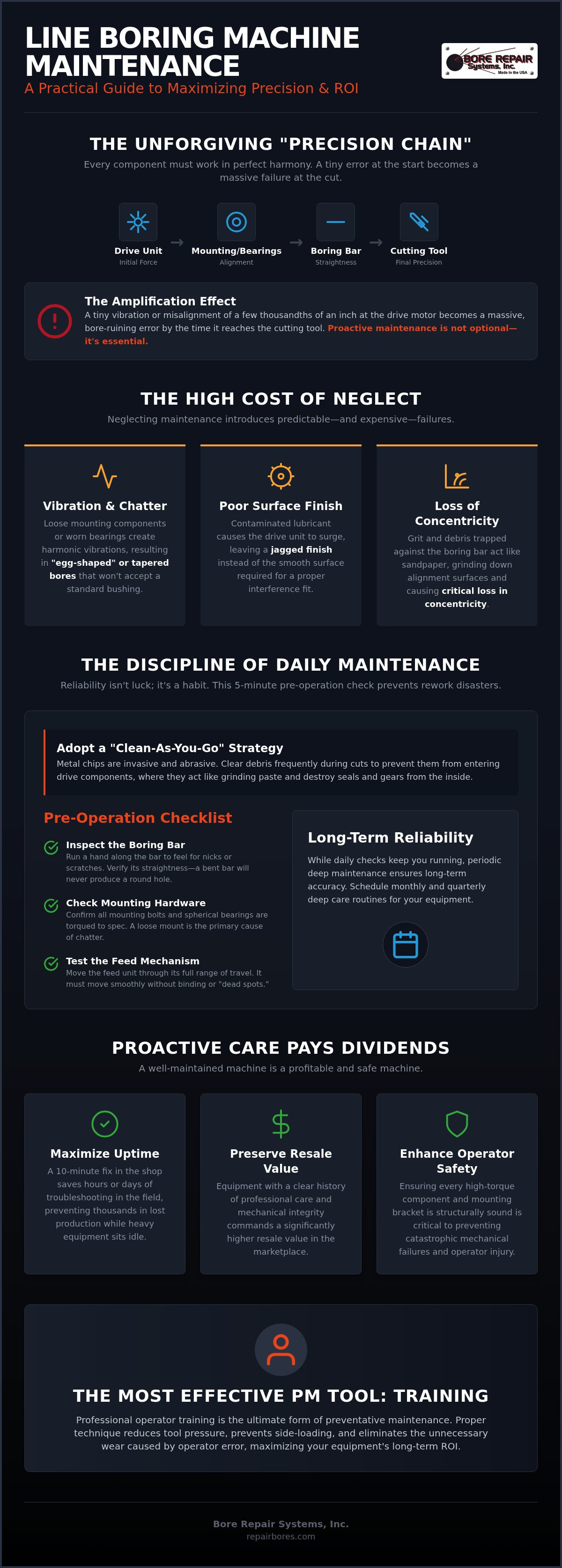
Reliability isn't a lucky break; it's a habit. Successful line boring machine maintenance requires a "before, during, and after" mindset for every operation. You don't just set the machine and walk away. You monitor its performance and treat the equipment with respect throughout the entire repair process. This discipline prevents small mechanical hiccups from snowballing into catastrophic failures that halt your production. If you want precision, you have to earn it through consistent care.
A "clean-as-you-go" practice is your best defense against premature wear. Metal chips are abrasive and invasive. If they enter your drive components or gearbox, they'll act like grinding paste, destroying seals and gears from the inside out. Clear away debris frequently during the cut. When the job is done, don't just pack the machine in its case. Wipe down every surface with a clean, lint-free cloth and apply a light coat of protective oil to prevent flash rust. This simple habit keeps the machine ready for the next field repair without delay.
Daily Pre-Operation Checklist
Before you power up, run through these essential checks to ensure the machine is ready for high-torque work. It only takes five minutes, but it can save your entire shift from a rework disaster:
Inspect the boring bar: Run your hand along the bar to feel for nicks or scratches. Verify its straightness; a bar that isn't perfectly true will never produce a round hole.
Check mounting hardware: Verify that all mounting bolts and spherical bearings are torqued to spec. Vibration from a loose mount is the primary cause of "chatter" marks in the bore.
Test the feed mechanism: Move the feed unit through its full range of travel by hand or under low power. It should move smoothly without binding or "dead spots."
Monthly and Quarterly Deep Care
While daily checks keep you running, periodic deep maintenance ensures long-term accuracy. Every month, you should clean and lubricate the feed screw and inspect the gearbox internals for any signs of metal shavings or oil contamination. Use only manufacturer-recommended lubricants. High-torque gearboxes generate significant heat, and using the wrong grade of oil can lead to thermal breakdown and gear seizure. If you're using electronic drive units, check electrical connections for fraying and inspect motor brushes for wear.
Documentation is just as critical as the physical work. Keep a log of every inspection and oil change. This record helps you spot patterns in wear and proves the machine's history if you ever decide to upgrade your fleet. If you need specific advice on your schedule or are looking to expand your setup, browsing professional bore repair equipment can provide the technical specs you need. Finally, verify the calibration of your digital readouts and RPM controllers every quarter to ensure your settings match the actual performance of the machine.
Component-Specific Care: Bars, Bearings, and Drive Units
Precision is only possible when every individual component of your system is in peak condition. You can't achieve a perfect finish with a warped bar or a struggling drive unit. Effective line boring machine maintenance focuses on the three pillars of the system: the boring bar, the mounting bearings, and the drive motor. If you treat these parts as separate precision instruments rather than just heavy chunks of metal, your equipment will last decades. Neglecting one component inevitably leads to the failure of the others, creating a domino effect that ruins your accuracy and your profit margins.
The boring bar is the heart of your operation. It isn't just a rod of steel; it's a precision gauge. Any surface damage or structural deviation directly impacts the roundness of your bore. Similarly, the drive unit provides the necessary torque to move through hardened steel. If the drive is poorly maintained, it creates uneven pressure on the cutting bit. This section breaks down the specific care required for these critical parts to ensure they remain reliable for every field repair.
Boring Bar Preservation Techniques
Clean your boring bars after every use with a soft cloth and a residue-free solvent. Never use wire brushes or abrasive pads; these create micro-scratches that trap grit and accelerate wear on your bearings. Storage is equally important. Never lean a boring bar against a wall or leave it unsupported on the floor. Over time, gravity will cause the bar to bow under its own weight. Use horizontal racks with at least three support points to keep the bar perfectly straight. Before sliding a bar through a bearing, check for burrs around the tool holes. Use a fine-grit honing stone to remove any raised metal. A single burr can gall a bearing surface, seizing the machine mid-cut and potentially destroying the bar.
Bearing and Feed System Lubrication
Bearings are the primary wear point in any setup because they absorb the massive forces generated during a cut. You must use high-pressure (EP) industrial grease. Standard shop grease often shears under the high-torque loads of line boring, leading to metal-on-metal contact. Watch for signs of bearing fatigue. If you hear a high-pitched growl or feel excessive heat radiating from the bearing housing, stop the operation immediately. This heat indicates friction that will soon lead to a seizure. Keep your feed screw clean and lightly oiled. If dirt builds up in the threads, the feed rate becomes inconsistent. This creates an uneven chip load, which puts unnecessary stress on your tool bits and can lead to "chatter" marks in the final bore finish.
Finally, pay attention to your drive unit and tooling interface. Ensure your drive motor's cooling vents are clear of dust and metal shavings. Heat is the number one killer of electronic drive units. Inspect your tool holders for cracks or deformation. A tool bit that doesn't sit perfectly flat will vibrate, compromising the precision you've worked hard to establish. By following these specific protocols, you ensure your line boring machine maintenance strategy covers the gear that does the heavy lifting. This commitment to technical excellence is also essential for the components these machines service; for example, you can learn more about OG VALVES LTD. and their standards for industrial isolation valves.
Operational Best Practices to Reduce Machine Wear
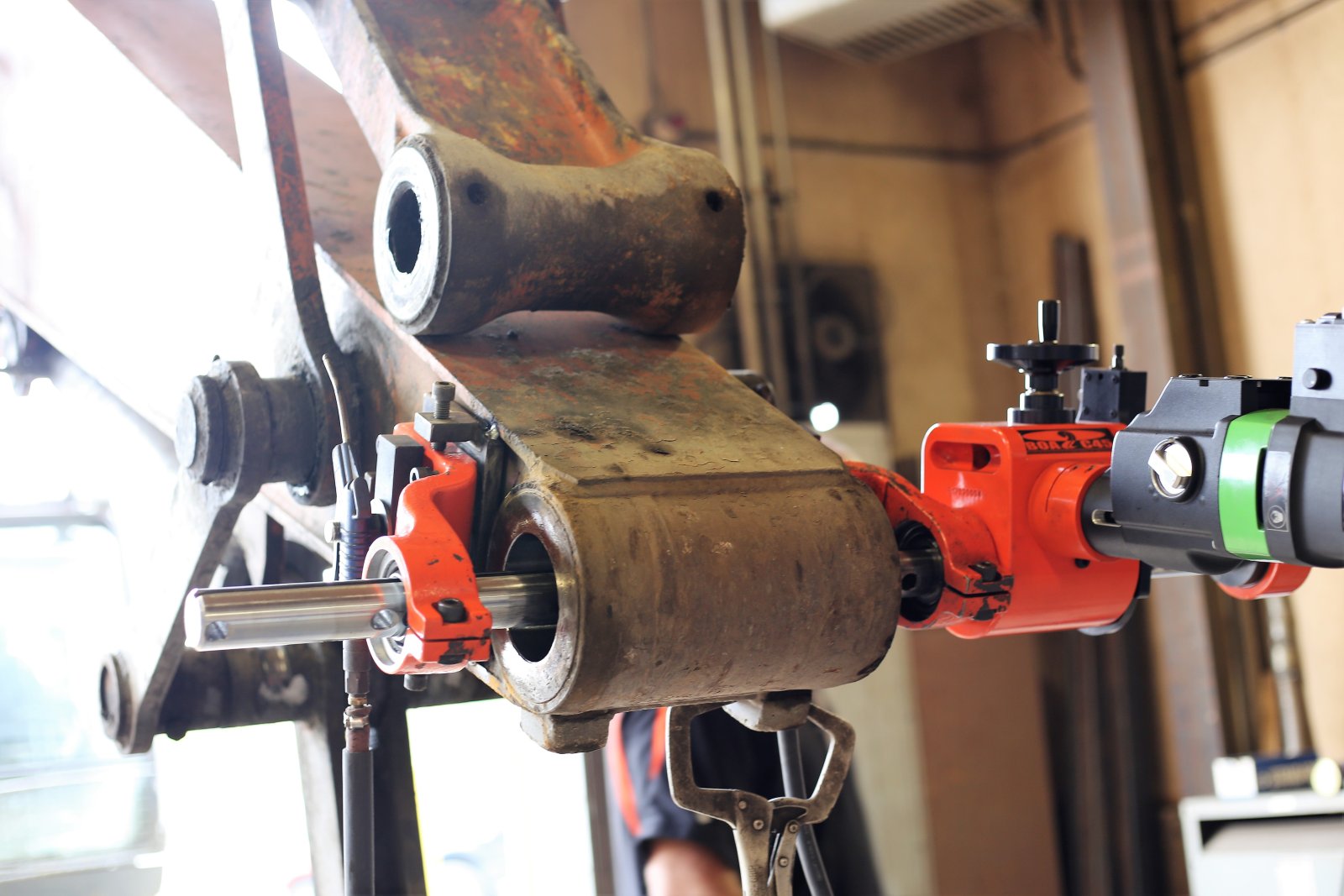
Good operational habits are just as vital as your scheduled line boring machine maintenance. You can have the cleanest gearbox in the world, but if you side-load your bearings during every setup, the machine won't last. Proper operation is about reducing the physical stress placed on the equipment. This starts with effective chip management. Never allow the machine to "re-cut" metal chips. When the tool bit hits a pile of old shavings, it creates massive spikes in tool pressure and heat. This doesn't just dull your carbide; it sends shockwaves through the drive unit and the boring bar.
Respect the limits of your equipment. Every machine has a maximum cut depth for a reason. Pushing beyond these specs strains the motor and can lead to gear stripping in the feed unit. It's better to take two clean passes than one heavy pass that risks mechanical failure. Additionally, always align the machine properly the first time. Forcing a bar through misaligned bearings creates friction that will eventually seize the system. If you feel resistance while turning the bar by hand, stop and re-align. If you're looking for gear built to withstand these conditions, check out the line boring systems available from Bore Repair Systems.
Managing the Machining Environment
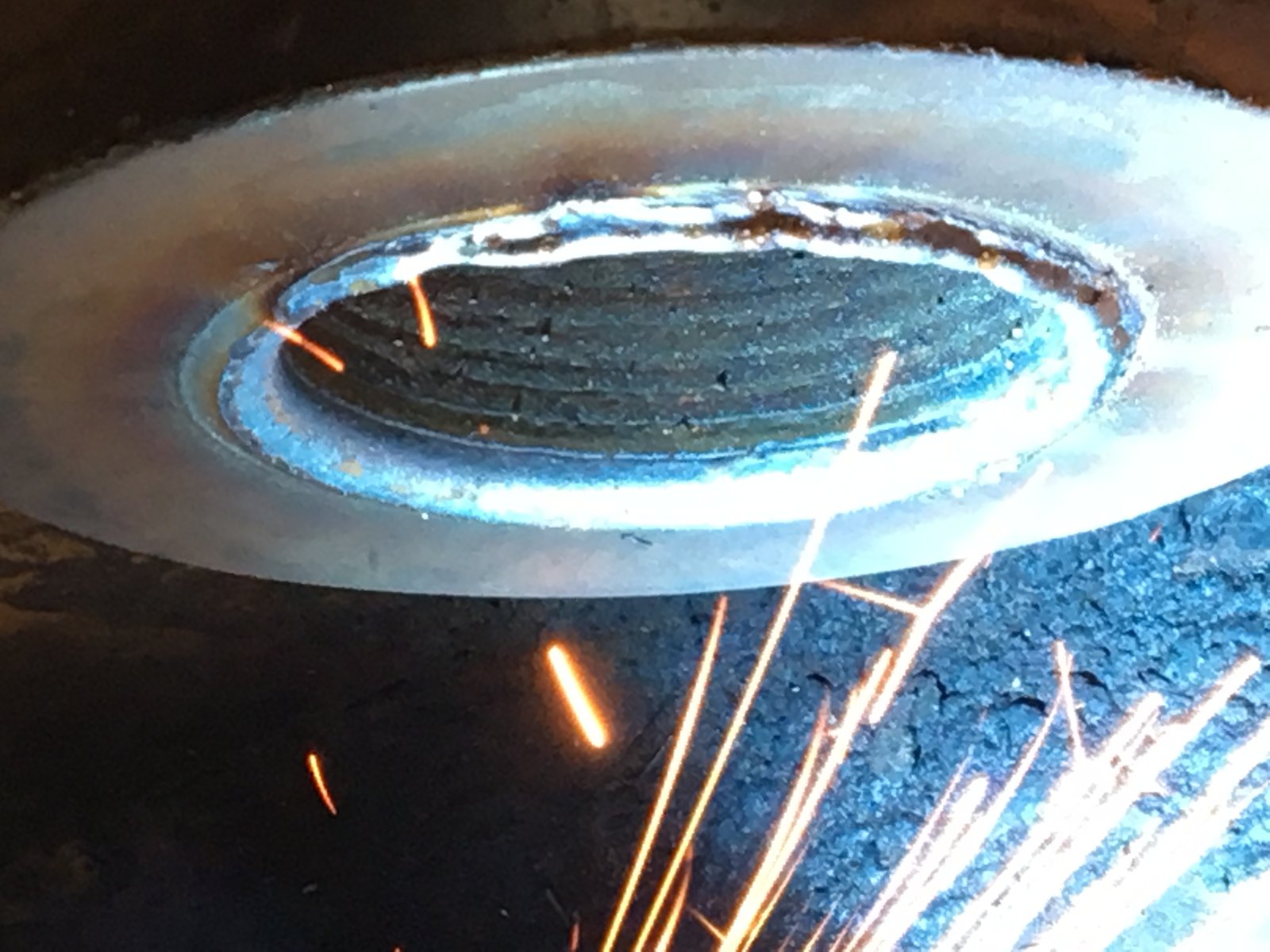
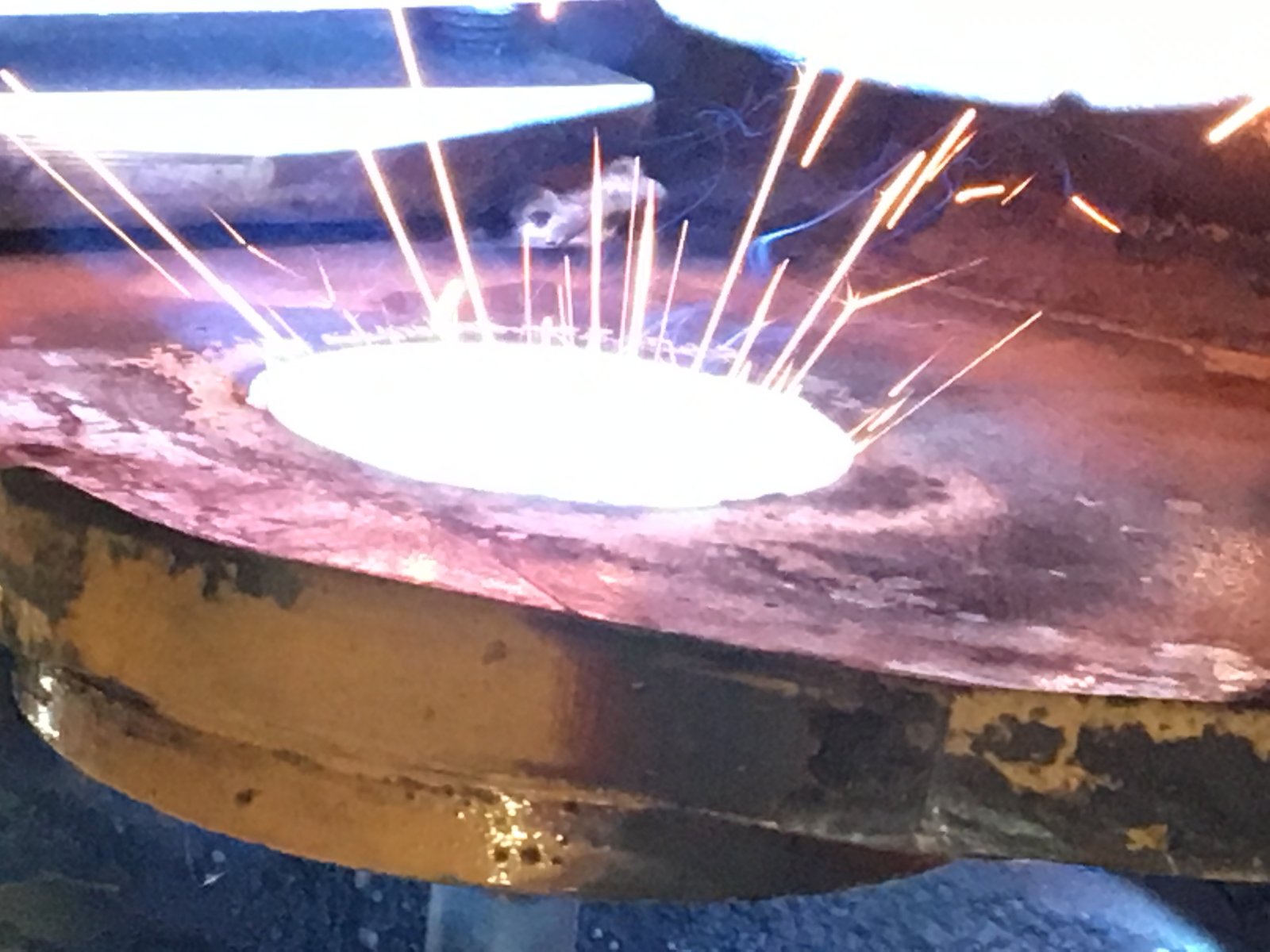
Field repairs often mean working in less-than-ideal conditions. Splatter from welding can ruin a boring bar's surface finish in seconds. Use bore welding accessories correctly to shield the bar during the buildup phase. If you're working in windy environments, set up chip shields to prevent abrasive dust from blowing into your drive unit. Remember that temperature affects performance. In extreme cold, gear oil thickens. Let the machine run at a low RPM for several minutes to warm up the lubricant before you start your first cut.
Safe Setup and Breakdown Procedures
Follow a logical sequence when tightening mounting brackets. Work in a cross-pattern to prevent putting unnecessary stress on the machine frame. When the job is finished, remove the boring bar with care. One careless "clunk" against the finished bore or a hard surface can create a nick that requires hours of honing to fix. Perform a final wipe-down and oiling immediately. This prevents humidity from causing flash rust while the machine sits in its case. This discipline ensures your machine is ready to perform the moment you pull it out for the next job.
Maximizing ROI Through Professional Training
Most technicians view training as a way to learn a new skill. We view it as the foundation of your line boring machine maintenance strategy. Operator error is the leading cause of premature equipment failure. You can buy the most durable gear on the market, but an untrained operator can destroy a drive unit or warp a boring bar in a single shift. Professional training shifts the focus from simply "getting the job done" to "getting the job done while protecting the asset." When your crew understands the mechanical limits of their tools, the equipment lasts longer and performs with higher consistency.
A trained operator is an investment in your hardware's survival. In previous sections, we discussed the "Precision Chain" and the importance of clean components. Training is what connects those concepts to real-world application. It turns a technician into a guardian of the machine's integrity. By empowering your team with the right knowledge, you ensure that every repair is performed within the safe operational parameters of the system. This proactive approach to skill-building pays for itself by eliminating the avoidable mistakes that lead to expensive factory repairs and long periods of unscheduled downtime.
Why Trained Operators Save Equipment
A seasoned operator develops a sensory connection with their equipment. They recognize the subtle difference between the healthy hum of a clean cut and the high-pitched whine of a bearing under too much side-load. This awareness allows them to stop the machine before a minor vibration becomes a catastrophic failure. Training also covers the critical math behind feed rates and spindle speeds. When you understand how these variables interact, you prevent the excessive heat and torque that lead to motor burnout and stripped gears. Mastering the "light touch" required for precision alignment ensures the machine isn't fighting itself during the operation, which preserves the life of your bearings and feed screws.
Investing in Long-Term Reliability
Standardizing line boring machine maintenance across a large fleet is impossible without a shared knowledge base. When every technician follows the same protocols for cleaning, lubrication, and setup, the risk of "catastrophic" damage drops significantly. This consistency preserves your hardware and ensures that the precision we teach in our courses is repeatable on every job site. You aren't just paying for a certificate; you're investing in the longevity of your machines and the accuracy of your repairs. The cost of a major mechanical overhaul far exceeds the cost of professional instruction.
We've seen every possible equipment failure in the field. Most of them were avoidable. By turning your team into experts, you ensure they are capable of diagnosing mechanical hurdles before they result in a broken bar or a seized drive. If you're ready to protect your investment and improve your field results, register for our professional line boring training courses. Professional-grade results require professional-grade knowledge. Don't leave the health of your equipment to chance; give your operators the tools they need to succeed.
Secure Your Precision and Equipment Longevity
Precision isn't a one-time setup; it's a standard you must maintain every single day. By protecting the "Precision Chain" and mastering the specific care of your boring bars and drive units, you eliminate the mechanical variables that lead to costly rework. A disciplined approach to line boring machine maintenance ensures your equipment remains a reliable asset rather than a liability during critical field repairs. When you combine these rigorous protocols with professional operator training, you empower your crew to identify mechanical distress before it results in a catastrophic breakdown.
Whether you are managing heavy equipment repairs or running a specialized fabrication studio like Bourbon Bigfoot Woodworking, maintaining the integrity of your tools and materials is the key to long-term success.
Bore Repair Systems provides the tools and industrial expertise you need to succeed in the most demanding environments. We manufacture durable, field-tested machines in the USA and back them with expert technical support and comprehensive training programs. Take control of your repair quality and extend the operational life of your hardware today. Shop professional line boring machines and accessories at Bore Repair Systems to ensure your fleet is always ready for the next heavy-duty challenge. Your reputation for accuracy is built on the care you give your tools.
Frequently Asked Questions
How often should I lubricate my line boring machine's drive unit?
You should check your drive unit's lubrication before every job and perform a full service every 40 to 50 hours of operation. High-torque applications generate significant heat that breaks down gear oil faster than standard shop work. If you are working in extreme field conditions, increase this frequency to prevent internal gear wear. Always refer to your manufacturer's specific intervals for the best results.
What is the best way to clean a boring bar after a heavy repair job?
Wipe the bar down with a lint-free cloth and a non-residual solvent to remove all abrasive metal dust. Never use wire brushes or coarse abrasive pads; these create micro-scratches that trap grit and damage your mounting bearings. Once the bar is clean, apply a light coat of protective oil to prevent flash rust before placing it back in horizontal storage.
My machine is making a chattering sound; is it a maintenance issue or a tool bit problem?
Chatter is usually a sign of mechanical instability, so start by checking your mounting bolts and spherical bearings for play. If the hardware is secure and the bearings aren't showing signs of heat, then inspect your tool bit for dullness or incorrect geometry. Vibration often stems from loose components, but it can also be caused by exceeding the recommended cut depth for your specific setup.
Can I use standard motor oil to lubricate the feed screw and bearings?
No, you must avoid standard motor oil in favor of high-pressure industrial grease or the manufacturer's recommended lubricant. Standard oils lack the tackiness and extreme-pressure additives required for line boring machine maintenance. Using the wrong lubricant allows metal-on-metal contact under high torque, which will quickly lead to seized bearings and stripped feed screw threads.
How do I check if my boring bar has become bent or warped?
Place the bar on a set of V-blocks and use a dial indicator while rotating the bar slowly by hand. Any deviation beyond the manufacturer's tight tolerances, usually measured in thousandths of an inch, indicates a warp. You can also perform a quick field check by sighting down the bar against a known straight edge to look for obvious bowing caused by improper storage.
What are the essential spare parts I should keep on-site for emergency maintenance?
Keep a set of replacement mounting bearings, extra feed screw nuts, and a variety of tool bits in your field kit. For electronic drive units, always carry spare fuses and a set of motor brushes to prevent minor electrical issues from halting your production. Having a dedicated supply of the correct industrial grease ensures you can maintain the machine during long, multi-day repair jobs.
For those who need to supplement their field kit with additional gear or specialized tools, Pahrump Rentals & Hardware offers a variety of industrial equipment rentals to ensure your local projects are never stalled by a lack of resources.
How does temperature affect the performance and maintenance of portable boring units?
Extreme cold thickens gear oil, which increases internal resistance and can strain your drive motor. Always run the machine at a low RPM for several minutes to warm the lubricant before starting your first cut. In high-heat environments, monitor your bearings and drive unit closely for thermal expansion; this can tighten tolerances and cause the machine to bind during heavy operation.
Should I disassemble the drive unit for cleaning after every field job?
Full disassembly is unnecessary unless you suspect internal contamination or hear unusual mechanical noises. Focus on a thorough external cleaning and verify that all seals are intact to keep grit out of the gears. Include a deep internal inspection as part of your quarterly line boring machine maintenance schedule to ensure all internal components remain within their operational specs.
Comments