

Line Boring Technician Certification Path: Skills, Training, and Career Steps

What does the line boring technician certification path actually involve? It may not lead to one universal certificate. Job postings, training courses, and equipment requirements can point in different directions, and a course completion document may not carry the same weight as an employer-required credential or demonstrated shop-floor skill.
A practical path combines relevant technical foundations, instruction on the equipment you’ll use, and supervised hands-on practice. This article explains how certification differs from training, which skills employers may look for, and how to build experience that shows you can work accurately and safely.
You’ll also find a step-by-step way to develop your qualifications, from related vocational study and entry-level work to recording tasks, equipment experience, and supervisor feedback. Bore Repair Systems offers line boring and bore welding training to help develop equipment operating skills. Treat it as equipment-specific instruction, not as an accredited certification, and confirm what completion documentation is provided. The goal is a clear, job-ready record of what you’ve learned and what you can do.
Table of Contents
What does a line boring technician certification actually mean?
Which skills and safety knowledge should a line boring technician build?
How do training, trade education, and on-the-job experience compare?
How can you build and document a job-ready qualification path?
How can equipment-specific training support your next career step?
What does a line boring technician certification actually mean?
Certification and training have different purposes. A credential is a record issued by an organization to document a qualification or assessment. Training develops knowledge and practical ability. To understand what a certificate means, check who issued it, what was assessed, and what the document confirms.
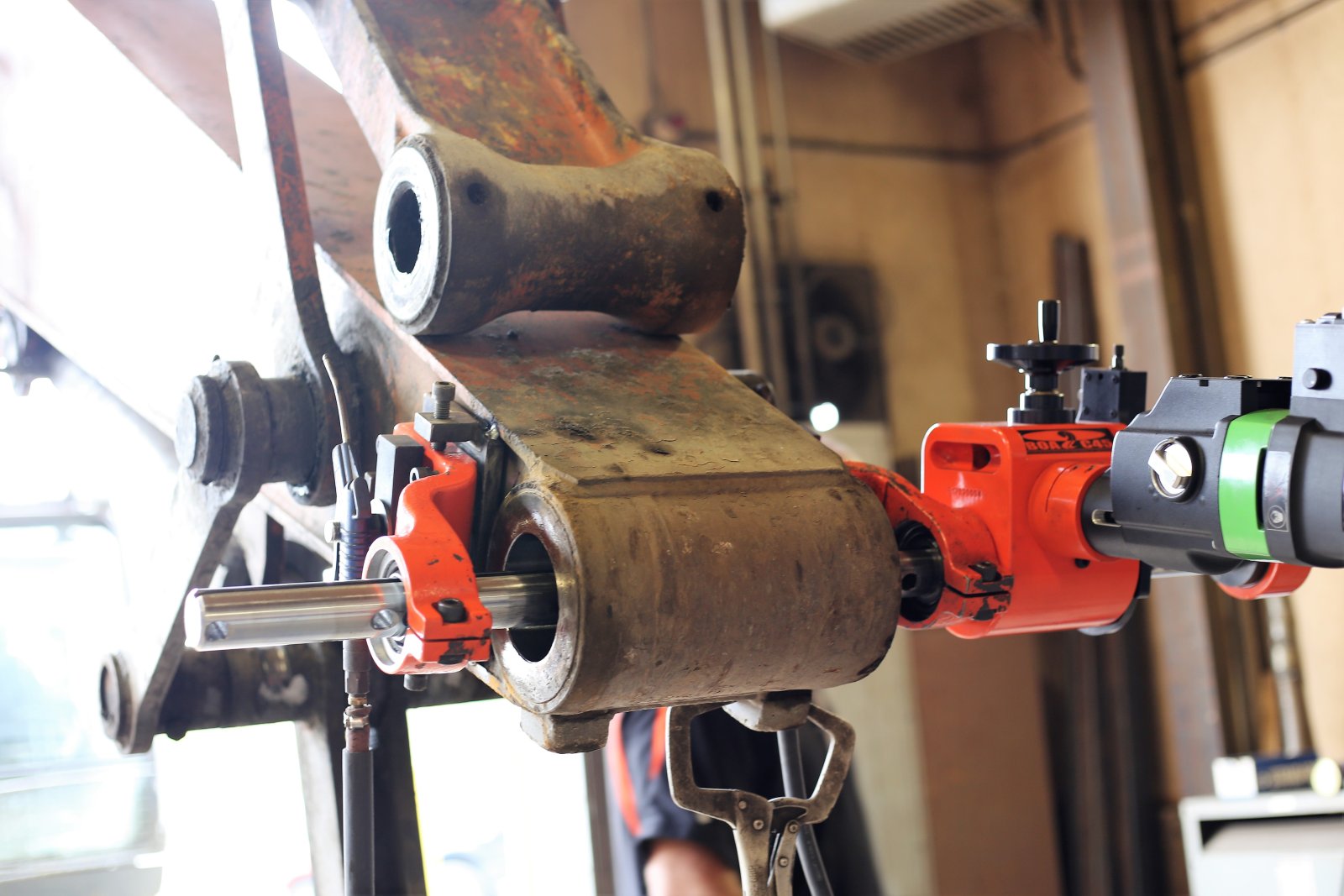
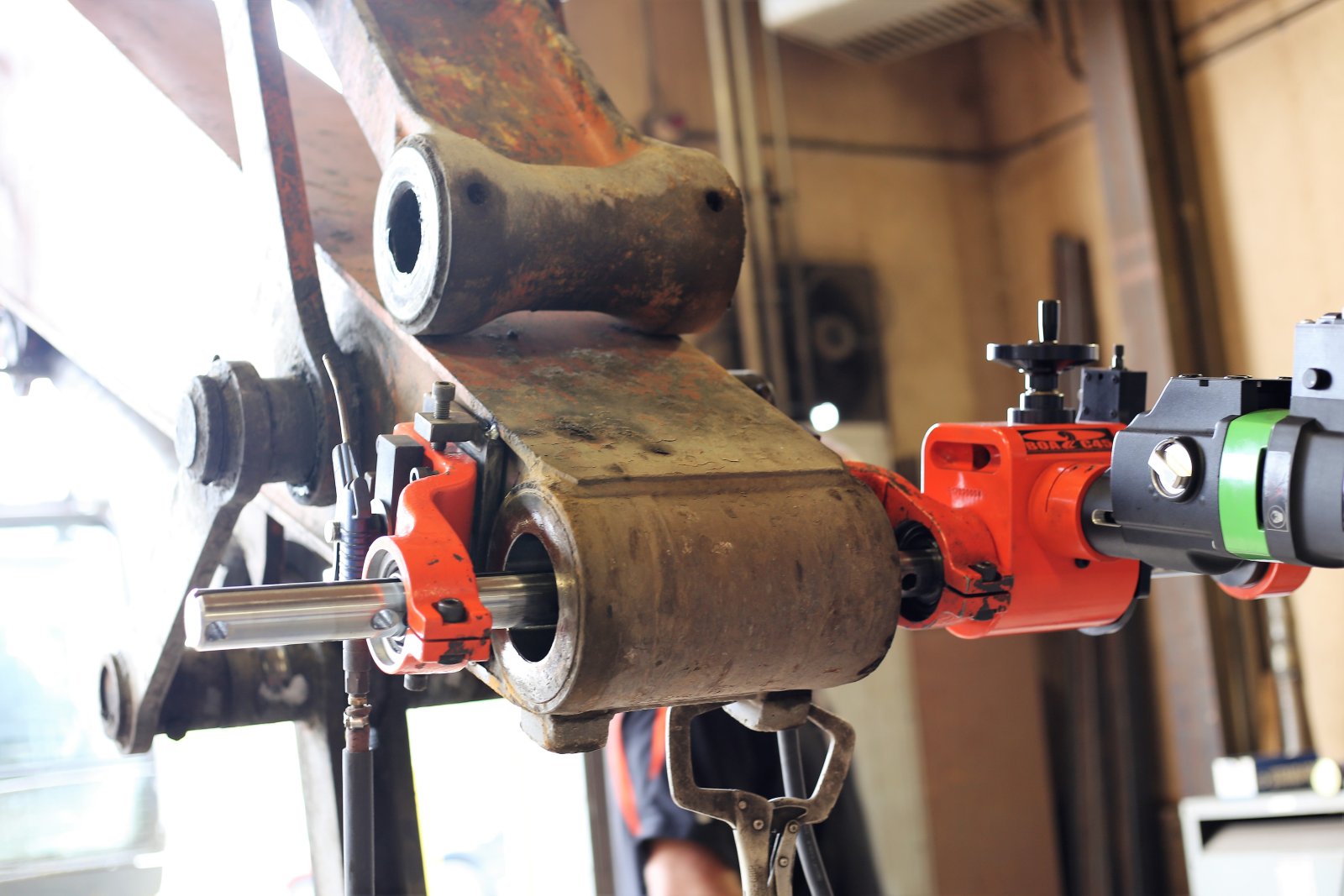
Line boring is a precision machining process used to correct or finish the inside of a bore. For technical background, Boring (manufacturing) explains how boring machines work on internal diameters. A technician needs more than familiarity with the process name. The work calls for sound setup, machine operation, measurement, and inspection skills.
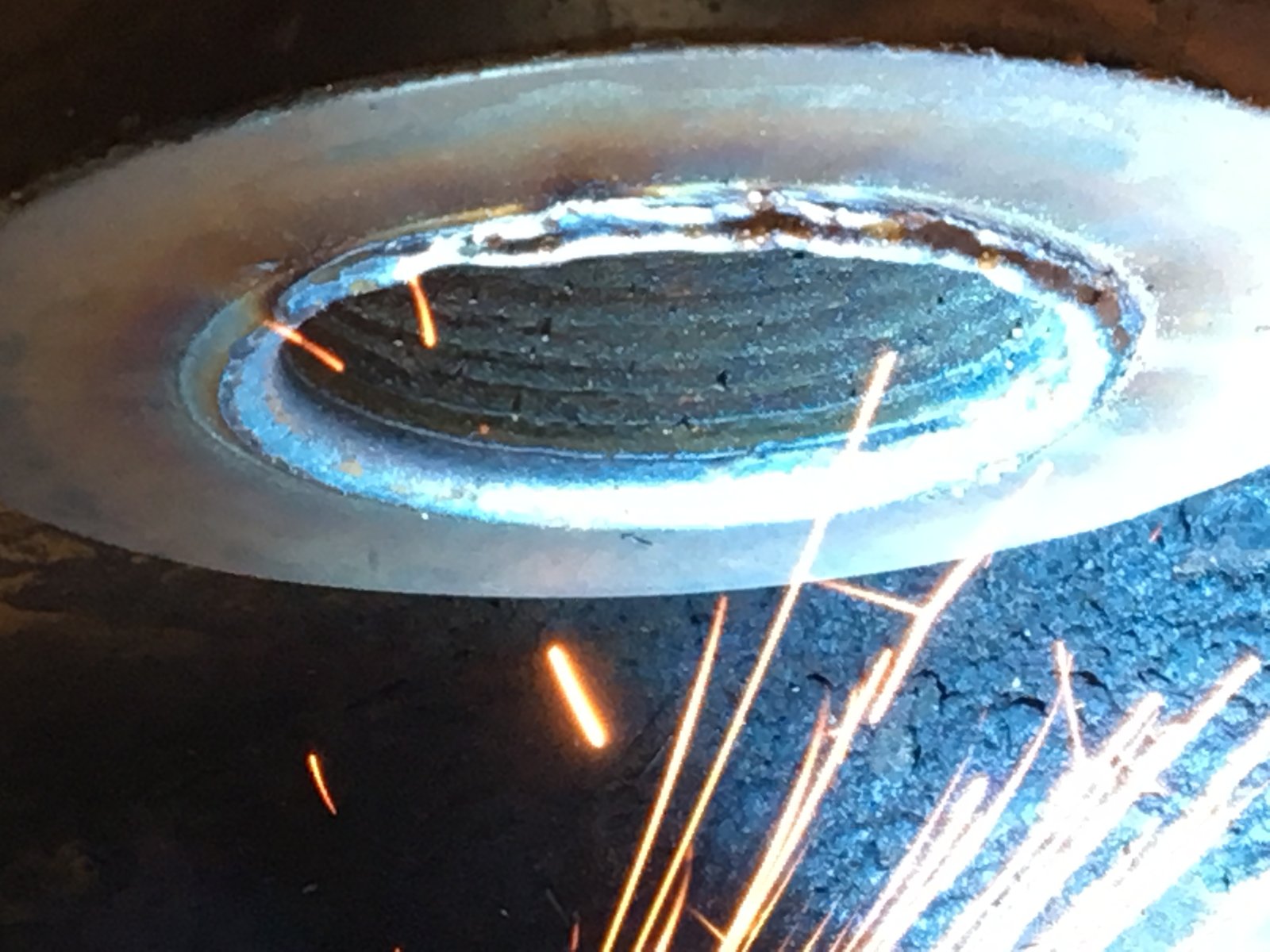
There’s no universal line boring technician certification verified for every employer or worksite. Start the line boring technician certification path by identifying the role you want, rather than assuming one certificate qualifies you everywhere. General safety credentials, machining qualifications, welding credentials, and equipment-specific training address different areas, and one doesn’t automatically replace another. Bore Repair Systems offers line boring and bore welding training. Treat this as equipment and operating instruction, not as an accredited or universally required certification. Confirm the current scope, format, prerequisites, and completion documentation before enrolling. For related company updates, see line boring and bore welding updates.
Is there one universally required line boring certification?
No universal requirement has been verified. Expectations can vary by employer, worksite, customer, and equipment. One employer may prioritize machining experience, while another may ask for specific safety training or familiarity with a particular machine. Don’t treat OSHA training or another credential as a universal line boring license. Review current job postings, then ask the employer which qualifications apply to the role and how they verify them.
What does a credential prove, and what doesn’t it prove?
A completion record may document that you attended or finished a course. Depending on the issuer’s criteria, a formal credential may also document an assessment or qualification. Read the document and ask what topics were covered, what was tested, and whether practical performance was observed. The title alone doesn’t answer those questions.
A credential documents a stated qualification; demonstrated competency shows that a technician can perform the work to the required standard. Paperwork alone can’t establish whether someone can align a boring bar, set up a machine safely, or inspect a finished bore accurately. Employers can get a fuller picture through supervised work, documented job experience, and permitted work samples, alongside any formal assessment. Keep the evidence specific: note the equipment used, tasks performed, and supervisor confirmation where available.
Which skills and safety knowledge should a line boring technician build?
Line boring depends on a sequence of accurate decisions. Measurement informs alignment, alignment supports setup, and setup affects how the machine cuts. A technician who can explain and repeat each step is better prepared to spot problems before they affect the finished bore.
Measurement and alignment are the foundation of accurate line boring: the machine can only follow the setup it’s given. Learn to use measuring tools such as dial indicators and micrometers, with instruction on the specific tools and equipment you’ll handle. A dial indicator can help check position or movement; a micrometer measures dimensions. The appropriate method depends on the task and the tool’s intended use.
What technical skills matter in line boring work?
Develop skills across the full repair sequence. Read drawings and job instructions to understand the required geometry. Measure the bore and record its starting condition. Set up and secure the equipment, then check alignment before cutting. After machining, inspect the result and compare it with the job requirements. If a measurement changes, clear records help the next person understand what was done and why.
These stages depend on one another. An inaccurate initial measurement can lead to a setup based on the wrong condition, while an alignment issue can carry through the cut. Practise recording tool readings, setup details, and inspection results in a consistent format. The Machinist Occupational Outlook Handbook provides broader context on machinist education and training, alongside role-specific instruction.
How do safety and related credentials fit into the path?
Build hazard awareness into every setup. Check guarding, workholding, and the work area before operation. Use required personal protective equipment (PPE), and follow the machine manual, employer procedures, and applicable site safety requirements. Don’t assume a familiar setup is safe just because you’ve done it before. Stop and ask when a hazard, tool condition, or procedure is unclear.
OSHA training may provide a general safety foundation, but it isn’t a line boring credential. Investigate AWS credentials only if welding duties are relevant to the target role, and NIMS credentials if the employer values machining qualifications. Confirm the credential’s scope and relevance directly with the employer. The line boring technician certification path should connect these foundations to observed, supervised performance on the equipment involved.
Bore Repair Systems offers line boring and bore welding training. To see whether it fits your skill goals, ask about training details.
How do training, trade education, and on-the-job experience compare?
There’s no single route that suits every technician. Trade education can build machining fundamentals, employer training can reflect a specific workplace, equipment-specific instruction can teach a particular system, and supervised practice helps turn knowledge into reliable performance. These routes can be combined. Since employers set role-specific expectations, compare each option with the work you want to do.
Can trade school or machining education prepare someone for line boring?
Yes. It can provide a useful foundation in measurement, machining principles, technical drawings, and safe tool use. However, a general program may not teach how to set up a particular portable line boring system. Compare course outcomes with current job postings, and ask employers which skills they expect applicants to demonstrate. The U.S. Bureau of Labor Statistics outlines broader education and training routes in its Industrial Machinery Mechanic Career Path.
What does equipment-specific training add?
Equipment-specific instruction can connect machine components, setup steps, and operating procedures to practical bore repair tasks. Bore Repair Systems offers line boring and bore welding training as equipment-focused education, not accredited certification. Ask about the current training scope, format, prerequisites, and completion documentation. For equipment familiarization, review the bore welder and portable boring videos.
A practical line boring technician certification path combines the learning route that fills your gaps with supervised work that lets you apply and document what you’ve learned. You can also read a guide to line boring operator training for a closer look at developing operating skills.
How can you build and document a job-ready qualification path?
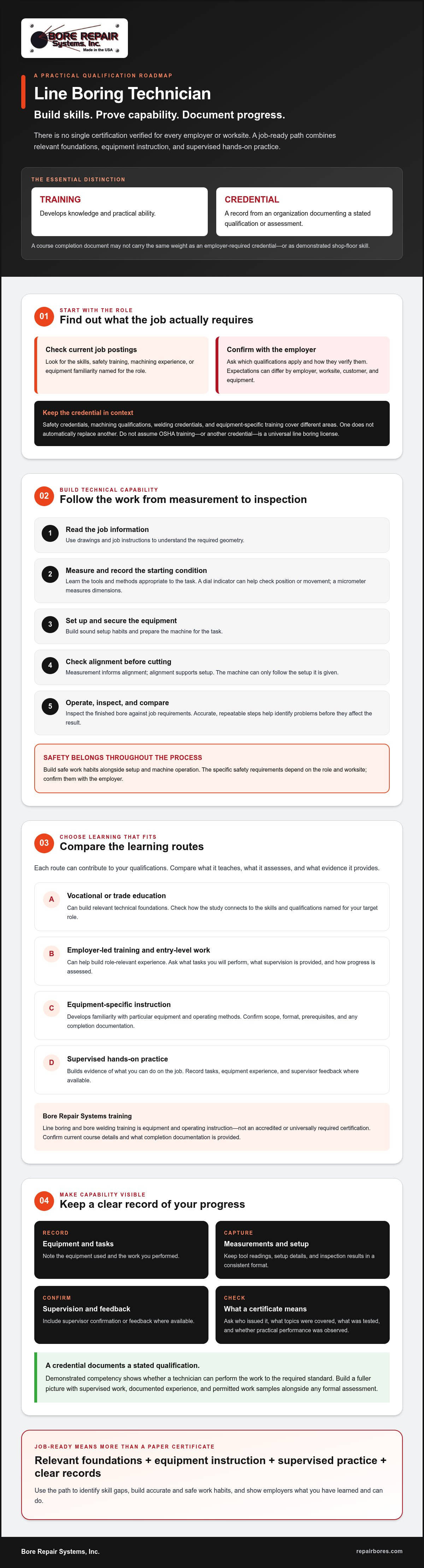
A credible qualification path develops in stages. Start with the jobs you want, identify what you’re missing, then choose training and supervised practice that address those gaps. Use employer criteria and site rules to shape your checklist. There’s little value in collecting credentials that a target role doesn’t require.
What should an entry-level technician do first?
Review several current job descriptions for line boring or related machining roles. Note recurring skills, named equipment, experience expectations, and stated credentials. Then ask prospective employers which training and safety qualifications they actually require. Postings offer useful clues, but the employer can clarify how each requirement applies to the position.
Compare that checklist with your current experience. If measurement or drawing skills need work, consider foundational machining education. If you need familiarity with a particular machine, look for equipment-specific instruction. Keep the line boring technician certification path practical: choose learning that closes a real gap, then seek supervised opportunities to apply it.
How can technicians prove competence over time?
Keep a simple qualification record and update it as you complete training and practise tasks under supervision. With employer approval, track:
Training: Course or instruction topic, provider, date, and any completion record.
Equipment: Machine types and relevant accessories you’ve been trained to use.
Work performed: Supervised setups, measurement tasks, inspections, and your role in each task.
Feedback: Supervisor sign-offs or notes on accuracy, following procedures, and readiness for more responsibility.
Be precise about your level of responsibility. Distinguish between observing, practising under supervision, and completing work independently. Don’t claim a credential you haven’t earned or imply independent competence based only on classroom instruction. If you include work samples, get permission first and remove customer, employer, or equipment information you’re not authorized to share.
Review your record against the employer’s qualification checklist and site procedures. Ask a supervisor to identify the next task you’re ready to practise, then document the feedback. This turns experience into evidence without overstating what you can do.
If equipment-focused instruction fits a skill gap you’ve identified, contact Bore Repair Systems to ask about training details, including scope, format, prerequisites, and completion documentation.
How can equipment-specific training support your next career step?
Equipment-specific training can fill a practical gap between machining fundamentals and operating a line boring system. It works best as one part of a broader qualification plan: credentials may document a defined course or assessment, foundational skills support sound decisions, and supervised practice shows how you apply them on real tasks. None replaces the others.
Bore Repair Systems offers training for line boring and bore welding operations. Treat it as equipment-focused education, not accredited certification or proof of independent job competence. Before choosing a course, match its scope to your development needs and the requirements you’ve found in target job postings.
What should you ask before enrolling in equipment training?
Get clear answers before committing. Ask which machines and operations the instruction covers, whether hands-on practice is included, and what prerequisites apply. Confirm the format and whether you’ll receive a completion record. Then compare those details with your skill-gap list. A course is a better fit when it addresses equipment or tasks relevant to the roles you’re pursuing.
Scope: Which machines, setup steps, and operating tasks are covered?
Practice: Will you handle equipment, or is instruction primarily demonstration-based?
Preparation: Are there prerequisites or foundational skills you should build first?
Documentation: What, if anything, records attendance, completion, or assessed skills?
Confirm current details directly with the training provider. Course content and documentation can differ, so don’t assume a certificate means the same thing across providers. For a wider view of operator skill development, consult a line boring operator training guide alongside the requirements set by employers you’re targeting.
When is it time to discuss a training option?
Consider contacting a provider when equipment-specific practice is the clearest gap in your plan. Bring your target job requirements and questions about training scope, format, prerequisites, and completion documentation. That helps you assess whether the instruction fits without confusing it with a credential or a guarantee of employment.
The line boring technician certification path is strongest when equipment training supports a clear next step, such as preparing for supervised operation on a system used in your target role. Use your training record to track what you’ve learned, then ask an employer or supervisor how to apply it under their procedures. To check whether Bore Repair Systems training aligns with your goals, ask about line boring training.
Take the Next Step Toward Job-Ready Line Boring Skills
A strong line boring technician certification path isn’t built around a certificate alone. Check what target employers require, strengthen relevant machining and safety skills, and add equipment-specific instruction where it addresses a real gap. Then build supervised experience and keep clear records of the tasks, equipment, training, and feedback that show your progress.
Bore Repair Systems manufactures and sells line boring machines and bore repair equipment, and offers training for line boring and bore welding operations. That instruction can help develop operating skills, but it shouldn’t be mistaken for an accredited or universally required certification. Before choosing a course, confirm its scope, format, prerequisites, and completion documentation, then compare those details with your career goals.
Ready to explore whether equipment-focused instruction fits your next step? Ask about line boring and bore welding training. Build your qualifications one practical step at a time, and keep strengthening the evidence of what you can do.
Frequently Asked Questions
Is there a line boring technician certification?
No universal line boring technician certification has been verified. Employers may value different combinations of machining education, safety qualifications, equipment instruction, and supervised experience. Check job postings for the roles you want, then confirm requirements with the employer. A course completion record documents what its provider says was completed, but it doesn’t automatically prove independent ability to set up equipment or produce accurate machining results.
Do you need a license to operate a line boring machine?
There’s no single line boring machine operator license verified as universally required. Whether a credential is needed can depend on the employer, worksite, customer, equipment, and type of work. Ask the employer which qualifications apply and check relevant site procedures. Don’t assume a general safety card or another trade credential serves as a line boring license. Follow the equipment manual and applicable workplace requirements before operating a machine.
How do you become a line boring technician with no experience?
Start by reviewing entry-level machining, maintenance, and line boring job postings. Note recurring skills and ask employers what they require from new hires. Build foundational knowledge in measurement, technical drawings, machining, and safe tool use through relevant vocational study or employer instruction. Then seek supervised practice and keep a record of training, equipment exposure, tasks, and supervisor feedback. Be accurate about which tasks you’ve observed, practised, or performed independently.
What training does a line boring operator need?
Training should match the equipment and duties involved. Useful areas may include reading job instructions, measuring, setting up and aligning the machine, operating it, inspecting the result, and following safe work procedures. Employers may provide workplace instruction, while equipment-specific courses can introduce a particular system. Ask which operations a course covers, whether hands-on practice is included, and what completion documentation is available. Confirm current requirements with the employer.
Can machining or welding certifications help a line boring technician?
They can help if they match the job. Machining qualifications may support roles involving measurement, machine setup, or machining tasks. Welding credentials may be relevant when the position includes welding duties. Neither automatically qualifies someone to operate every line boring system. Check job postings and ask the employer whether a specific credential is useful or required. Pair relevant credentials with equipment instruction and supervised work that demonstrates the skills the role calls for.
How long does it take to train as a line boring technician?
There’s no standard training duration for every line boring technician. The time needed depends on your existing machining or maintenance skills, the equipment you must learn, available training, and the employer’s expectations for supervised practice. Ask providers about course duration and scope, then ask employers how they assess readiness for specific tasks. Track progress through completed instruction, documented practice, and supervisor feedback rather than relying on a fixed timeline.
Does equipment-specific line boring training provide a certification?
Not necessarily. Training develops operating knowledge and practical ability; certification or a completion record depends on the provider’s process and what it documents. Bore Repair Systems offers training for line boring and bore welding operations, but don’t assume it grants an accredited or universally required certification. Before enrolling, confirm the current course scope, format, prerequisites, and any completion documentation directly with the provider.
Comments