

Industrial Bore Repair Equipment: A Professional Guide to Precision Systems

Updated: Sep 7
Every hour a critical loader or excavator sits idle waiting for a third-party repair technician is a direct hit to your bottom line. You already know that worn pivot pins and egg-shaped bores are inevitable in heavy industry, but finding the right industrial bore repair equipment shouldn't be as painful as the problem itself. Relying on manual welding or waiting for outside contractors often leads to inconsistent results and scheduling headaches that you simply can't afford. It's a cycle of inefficiency that keeps your most expensive assets out of the field.
This guide will show you how to evaluate and select the right systems to achieve factory-spec precision while slashing machine downtime. We'll break down the essentials of automated bore welders, line boring machines, and the specialized training required to bring your rebuilds back to original tolerances. You'll discover how to regain control over your maintenance schedule and ensure every repair meets professional standards. By moving these capabilities in-house, you can secure a long-term ROI and keep your equipment running at peak performance.
Table of Contents
The Role of Industrial Bore Repair Equipment in Heavy Machinery Maintenance
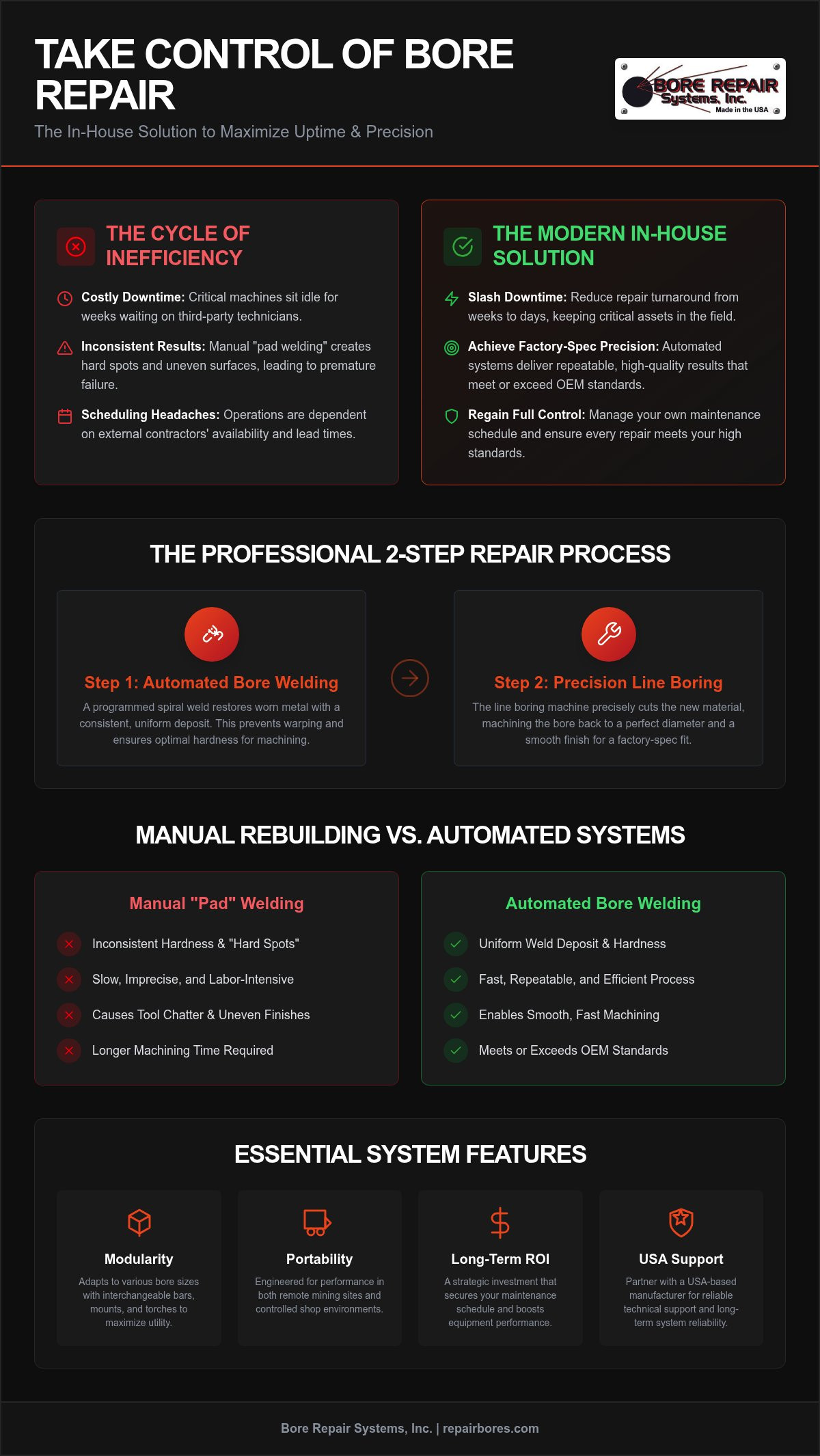
Industrial bore repair is the mechanical process of restoring worn, out-of-round pivot points to their original factory specifications. In sectors like mining, construction, and forestry, heavy equipment relies on these pivot points to handle massive loads under extreme stress. When a bore wears out, the machine loses its structural integrity and operational safety. Utilizing professional industrial bore repair equipment isn't just about making a hole round again. It's about returning the machine to a state of reliable, predictable service without the need for costly component replacement.
Many shops still attempt to fix these issues using manual "pad welding." This method requires a technician to lay down weld beads by hand inside the bore. It's a slow, imprecise process that creates inconsistent metal hardness. These "hard spots" make the subsequent Boring (manufacturing) process difficult and often lead to tool chatter or uneven finishes. Automated industrial bore repair equipment eliminates these variables by providing a uniform weld deposit every time. This consistency is vital for achieving the repeatable, factory-standard precision required for modern heavy machinery.
The cost of equipment downtime is a significant burden for any fleet manager. Every day an excavator or feller buncher sits idle in the shop, it's a direct hit to the project's profitability. Third-party repair services often come with long lead times and high service fees. By bringing precision repair capabilities in-house, operations can respond to wear immediately. This shift reduces the turnaround time from weeks to days, ensuring that critical assets return to the field as quickly as possible.
Common Signs of Bore Wear and Mechanical Fatigue
You can't ignore the physical evidence of mechanical wear. Look for egg-shaped pin holes in excavator booms or loader arms where the constant directional pressure has distorted the metal. Once a bore loses its circularity, vibration increases throughout the assembly. This misalignment accelerates wear on pins and bushings, eventually compromising the entire structural frame. Bore fatigue is a primary driver for structural failure in heavy machinery components. In similar industrial environments, maintaining the performance of processing equipment is equally vital, and Sacor provides the specialized separation technology and decanter centrifuges required to ensure overall site productivity.
Why Automated Systems Outperform Manual Rebuilding
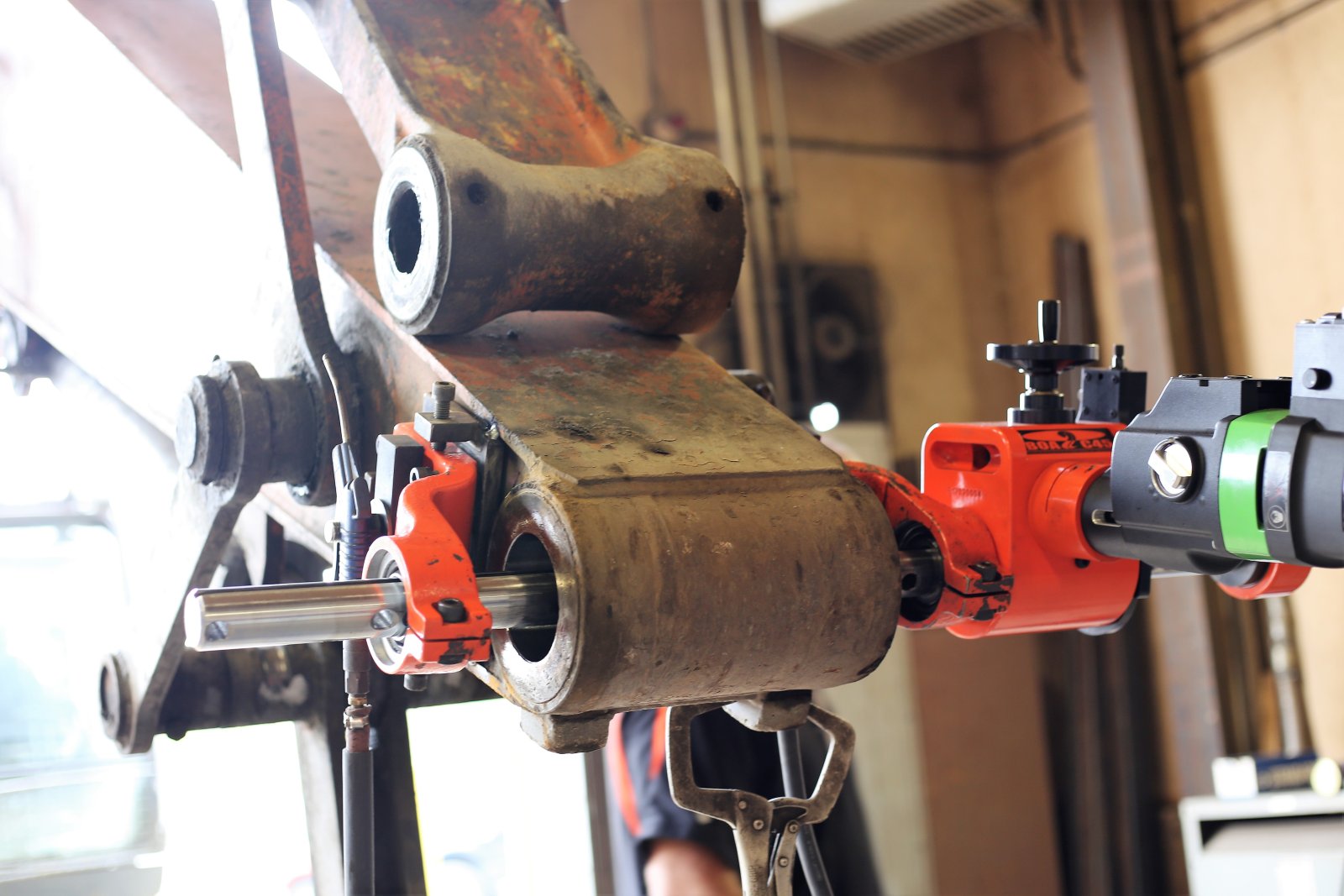
Precision is the hallmark of a professional rebuild. Automated bore welders provide a consistent, spiral bead that manual welding simply can't match. Because the weld deposit is uniform, the follow-up machining process is much faster and more efficient. There's less material to remove and fewer interruptions for the cutting tool, which protects your equipment from unnecessary stress. This synergy between automated welding and precision line boring ensures high mechanical integrity. It results in a surface finish and fit that meets or exceeds original equipment manufacturer standards.
Core Components of a Professional Bore Repair System
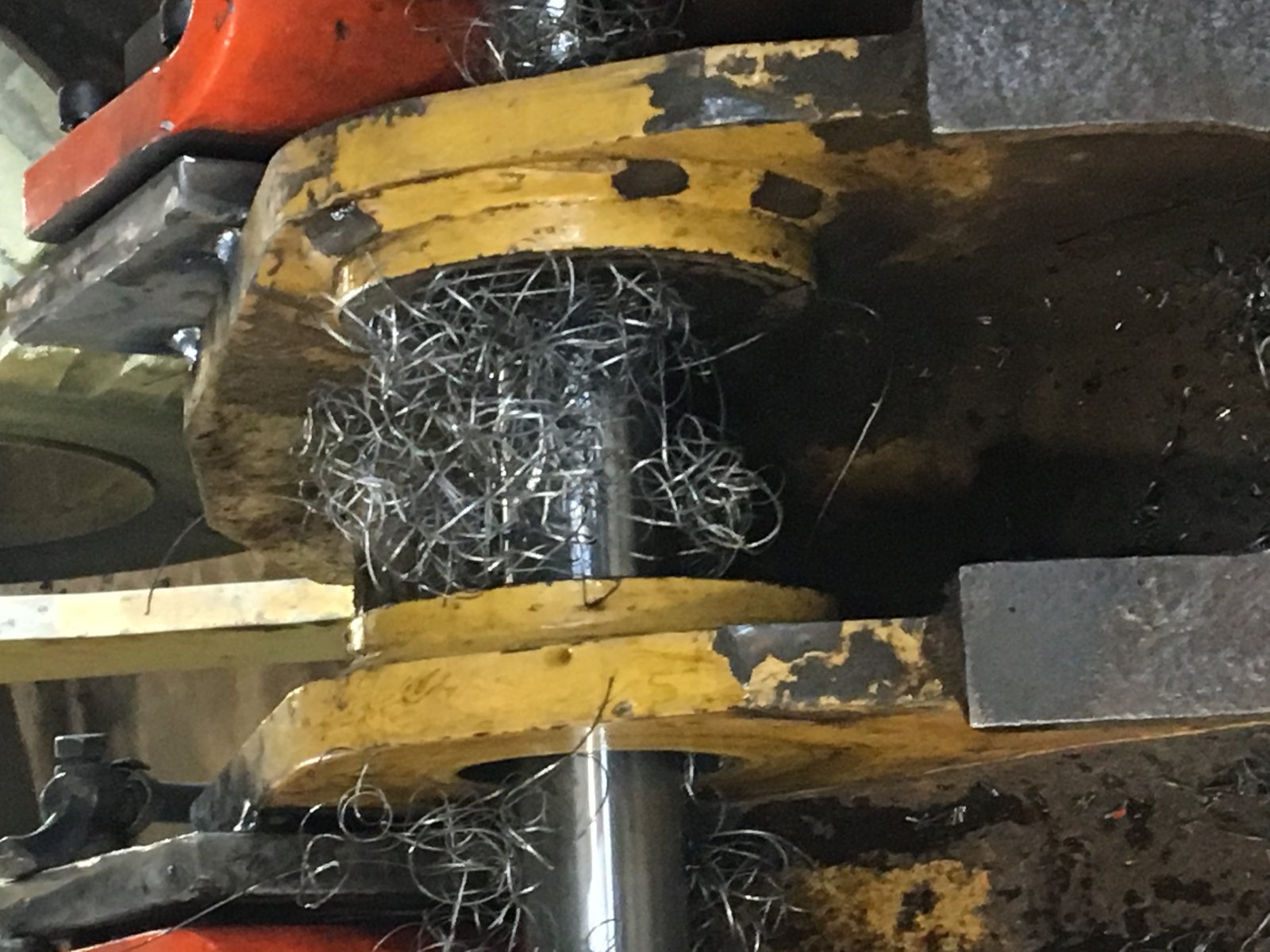
A professional bore repair system isn't a single tool. It's a coordinated pair of machines designed to work in a specific sequence. First, the automated bore welder restores missing metal by depositing uniform layers. Then, the line boring machine cuts that metal back to a perfect diameter. This two-stage approach is the only way to achieve consistent, factory-spec results across every rebuild. To see how different models stack up for your specific shop needs, review our Professional Bore Welder Systems: 2026 Buying Guide.
Modularity is a critical feature of high-quality industrial bore repair equipment. You need a system that adapts to various bore sizes and configurations through interchangeable components. This flexibility ensures that your investment remains useful as your fleet evolves. High-quality systems allow you to swap bars, mounting fixtures, and welding torches quickly. This reduces setup time and allows one technician to handle a wide variety of repair scenarios with the same base equipment.
Automated Bore Welders: Precision Material Deposition
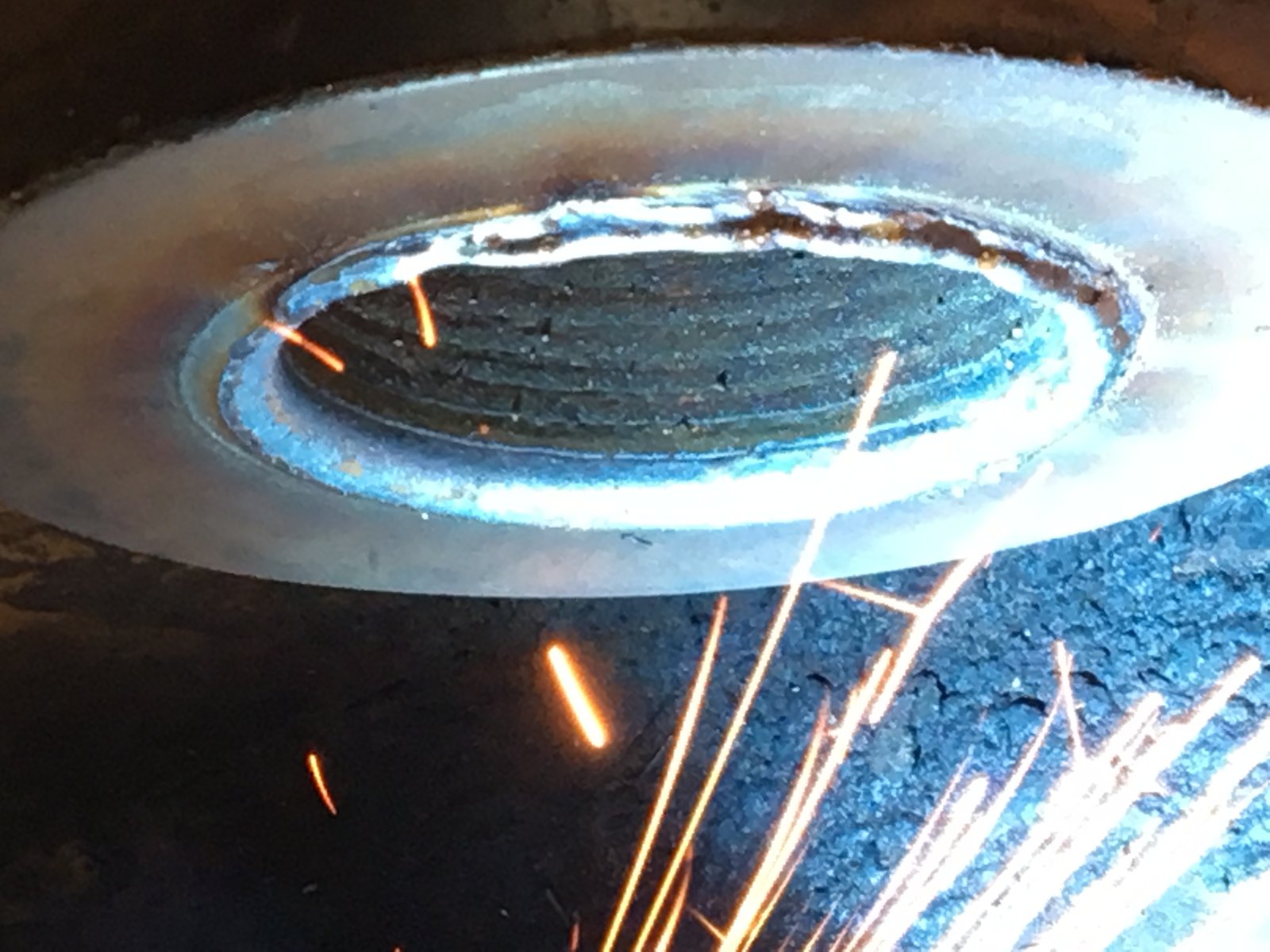
Systems like the BOA-408i and the BOA-M1 are the workhorses of material deposition. Unlike manual methods, these units use a programmed spiral welding pattern. This technique ensures consistent heat distribution across the workpiece, which prevents warping and localized stress points. These automated systems are versatile. They handle internal bores, flat faces, and even outside diameters (ODs) with the same level of repeatability. This versatility allows you to rebuild entire pivot assemblies with a single setup, ensuring the metal integrity is uniform throughout the entire repair.
Line Boring Machines: Restoring Dimensional Accuracy
Once the welding is complete, the line boring machine takes over. The boring bar serves as the central axis, ensuring the finished hole is perfectly concentric with the original centerline. The Portable Line Boring Machine Market continues to grow because these tools allow for precision machining in the field without disassembling the entire machine frame. High-end systems utilize pass-through drives, which offer superior stability and torque compared to economy end-mount drives. For long-span repairs, such as those found on large mining buckets, adjustable bar support bearings are mandatory to eliminate bar deflection and ensure accuracy over the entire distance.
If you are looking to improve your turnaround times and repair quality, you can explore our full range of precision systems to find the right fit for your operation.
Evaluating Industrial Equipment for Field vs. Shop Use
Deciding where your repairs will happen is the first step in selecting industrial bore repair equipment. If you're working on a remote mining face or a bridge site, portability is your primary metric. Conversely, a dedicated machine shop prioritizes absolute rigidity and high-volume throughput. You need to match the power source and drive configuration to these specific environmental constraints to avoid buying more or less machine than you actually need. Understanding these technical trade-offs is essential for an accurate Cost of Line Boring Machine: 2026 Pricing Guide and ROI Analysis.
Electric drives are often preferred for their simplicity and ease of setup in most shop environments. However, hydraulic systems provide the high torque required for large-diameter bores common in heavy mining gear. When working in confined spaces, pass-through drive systems offer superior flexibility. They allow the motor to be positioned anywhere along the bar, which is a lifesaver when an excavator frame or loader arm limits your mounting options. This adaptability is what separates industrial-grade gear from entry-level tools that only work in perfect conditions.
Portability and Setup Speed in the Field
Field work demands equipment with a small footprint and manageable weight. You don't want to bring a crane just to mount your boring bar. Modular components are vital here. They allow a single technician to transport the kit to remote locations in a standard service truck. "Mount-anywhere" drives are equally important because they reduce the need for extensive machine disassembly. The faster you can set up, the faster the machine gets back to work. Efficiency in the field isn't just about cutting speed; it's about how quickly you can move from the truck to the first pass.
High-Volume Shop Requirements and Stability
In a shop setting, you have the luxury of space and fixed power. This environment allows for more robust bar supports that contribute to higher accuracy in deep-bore machining. While field units emphasize weight reduction, shop-based setups can utilize larger boring bar diameters for heavy-duty work. This increased mass provides the rigidity needed for aggressive cuts and superior surface finishes. As highlighted by the National Tooling and Machining Association, stability is the foundation of precision in any machining operation. Professional industrial bore repair equipment designed for the shop focus on this mass to ensure every repair meets tight tolerances without tool chatter.
Maximizing ROI with Accessories and Operator Training
Purchasing high-quality industrial bore repair equipment is a significant capital investment for any maintenance department. However, the hardware alone doesn't guarantee success. The true return on investment comes from the synergy between precise tools and a skilled operator. Even the most advanced automated welder can't compensate for poor setup or a misunderstanding of mechanical tolerances. To maximize your system's utility, you must equip your team with both the right accessories and the professional knowledge to use them effectively. Precision is a skill as much as it is a specification.
Reducing operator error is the fastest way to improve your bottom line. A single botched repair on a large excavator boom can cost more in wasted material and additional downtime than the equipment itself. Formal certification ensures that your technicians understand the nuances of thermal expansion and tool geometry. When your crew operates with confidence, they work faster and produce more consistent results. This reliability is what transforms a repair shop into a profit center.
Essential Accessories for Specialized Industrial Repairs
This focus on technical precision and operational reliability is shared by other industrial equipment specialists; for example, you can learn more about Sacor Engineering and their commitment to providing high-quality separation technology for demanding industrial environments.
Specialized tasks require specialized add-ons. Standard kits often lack the components needed for complex geometries found on modern heavy gear. For instance, bore welding accessories like face machining heads allow you to repair worn thrust surfaces simultaneously with the bore. This eliminates the need for secondary setups. Our patented thru-bar snap ring groove machining system is a critical tool for hydraulic cylinder work. It allows you to cut precision grooves without moving the boring bar, which ensures perfect alignment with the newly machined bore. Using bore sizers and dedicated measuring tools removes the guesswork, confirming that your final fitment matches factory specs exactly.
The Value of Manufacturer-Direct Training
Skill gaps are the most common cause of broken tooling and project delays. This is why we provide free anytime training for our customers on our entire lineup. Formal Line Boring Operator Training: Mastering Precision Bore Repair in 2026 provides a structured path to competency. It covers everything from initial alignment to identifying the root causes of tool chatter or weld porosity. By investing in line boring training, you reduce the learning curve and prevent expensive operator errors. Expert instruction ensures your team knows how to push the industrial bore repair equipment to its limits without compromising mechanical integrity.
Ready to elevate your team's capabilities? Contact us to schedule your training session and ensure your operators are performing at factory-spec standards.
Choosing an Industrial Bore Repair Equipment Partner
Selecting a bore welding machine manufacturer is a strategic decision that affects your maintenance department for years. You aren't just buying hardware; you're investing in a support network that keeps your machines in the dirt and out of the shop. A partner with a proven track record understands the high stakes of mining and construction. They provide tools that are rugged enough for the field and precise enough for the workshop. This transition from relying on expensive external vendors to mastering in-house repair is the most effective way to reclaim control over your operational schedule.
We utilize a "Help Me Decide" philosophy to simplify your selection process. Rather than pushing a one-size-fits-all solution, we focus on breaking down technical choices based on your specific fleet requirements. Whether you need a high-torque hydraulic system for massive mining pivots or a portable electric kit for utility equipment, the right industrial bore repair equipment should match your workload. This tailored approach ensures you don't overpay for unnecessary features while guaranteeing you have the power and rigidity needed for your toughest jobs.
The "Made in the USA" Advantage for Industrial Support
Domestic manufacturing is a critical differentiator when every hour of downtime counts. Choosing a bore repair equipment supplier USA means you get faster lead times for essential accessories and replacement parts. You don't have to wait for international shipping or deal with time-zone delays when a technical question arises. Our commitment to national service allows you to speak directly to the engineers who designed and built the equipment. This direct access to expertise is invaluable when you're troubleshooting a complex repair in a remote location. Reliability is built into the tool, but dependability is found in the support behind it.
Finalizing Your Equipment Checklist
Before you finalize your purchase, ensure your system meets the standard for professional industrial repairs. An industrial-grade system should include the following must-have features:
Automated Spiral Welding: To ensure uniform material deposition and consistent hardness.
Modular Boring Bars: For flexibility across different bore diameters and lengths.
Pass-Through Drive Systems: To provide superior stability and mounting options in tight spaces.
Integrated Training: To ensure your operators can achieve factory-spec precision from day one.
Don't leave your machine's mechanical integrity to chance. We encourage you to request a technical consultation to discuss your specific repair challenges. View the full Bore Repair Systems product catalog and start your quote to begin the process of bringing precision bore repair in-house.
Take Control of Your Equipment Maintenance
Precision is the standard in heavy machinery maintenance, and achieving it shouldn't depend on a third-party schedule. By integrating professional industrial bore repair equipment into your operations, you eliminate the high costs of downtime and the inconsistencies of manual welding. You've seen how the right combination of automated welders, rigid boring bars, and specialized accessories can restore your fleet to factory specifications. This transition isn't just about owning tools; it's about mastering a process that secures long-term mechanical integrity.
With over 30 years of manufacturing experience in the USA, Bore Repair Systems provides the patented BOA-series technology trusted by global mining leaders. We don't just sell machines; we provide the foundation for your success through complimentary lifetime training for all equipment owners. It's time to stop waiting for contractors and start rebuilding with confidence.
Explore Industrial Bore Repair Systems and Get a Professional Quote to bring precision machining back to your shop. Your equipment is built to work, and we provide the systems to keep it that way.
Frequently Asked Questions
What is the difference between line boring and bore welding?
Bore welding adds metal to a worn surface, while line boring machines remove that excess material to reach a precise diameter. You start by using an automated welder to deposit a uniform spiral bead inside the hole. Afterward, the boring machine cuts through that new metal to restore the original factory dimensions. These two tools are the core of industrial bore repair equipment, working in tandem to return heavy machinery to service with factory-spec tolerances.
Can I use a portable bore welder for in-field excavator repairs?
Yes, portable systems are engineered specifically for on-site repairs on excavator booms and loader frames. These modular units are light enough for a technician to transport in a service truck and mount directly to the machine in the field. Using a portable welder eliminates the need to disassemble and haul massive components to a central shop. This capability significantly reduces machine downtime and the high costs associated with transporting heavy equipment for simple pivot repairs.
What are the power requirements for industrial line boring machines?
Industrial systems typically run on 110V or 220V electric power, though hydraulic units are used for larger, high-torque applications. Electric motors are the most common choice for portability and ease of use in diverse field conditions. Hydraulic power units provide the muscle needed for massive bores found in the mining industry but require more setup. You'll need to evaluate your typical job site to decide which power configuration provides the best balance of torque and convenience.
How long does it take to learn how to operate an automated bore welder?
A technician can typically grasp the basic setup and operation within two to three days of focused instruction. However, achieving consistent factory-spec results requires a deeper understanding of thermal expansion and tool geometry. This is why we provide free anytime training for our customers. This ongoing support helps your team master the industrial bore repair equipment quickly, reducing the learning curve and preventing expensive mistakes like tool chatter or weld porosity during the first few jobs.
Is it better to buy a pass-through drive or an end-mount drive line boring system?
A pass-through drive is the better choice for professional operations because it offers superior setup flexibility. It allows the motor to slide anywhere along the boring bar, making it easier to work in confined spaces like excavator buckets. End-mount drives are restricted to the end of the bar, which can limit your access or lead to bar vibration on longer spans. For high-precision industrial work, the stability and versatility of a pass-through system are essential.
Does industrial bore repair equipment come with a warranty?
Professional-grade equipment should always come with a manufacturer warranty to protect your investment. Our USA-made systems are built for the rigors of the field, and we back them with a commitment to long-term reliability. Beyond the warranty, you should look for a partner that provides technical troubleshooting and has parts readily available in the national market. This support ensures that a minor component failure doesn't turn into a week of lost productivity on your job site.
Can these machines repair bores that are significantly out of alignment?
These systems are specifically designed to restore bores that are severely worn or out of alignment. The line boring bar establishes a new, perfectly straight centerline, while the welder fills in the egg-shaped or oversized areas. By using the boring bar as a fixed reference point, you can ensure that multiple bores in an assembly are perfectly concentric. This process restores the structural integrity of the machine, even when the original pivot points are significantly damaged.
Do I need special welding wire for automated bore welders?
You don't need proprietary wire, but you must select a high-quality MIG wire that matches the base metal of your machine. A standard ER70S-6 wire is often the best choice for general industrial repairs because it offers a good balance of strength and machinability. Using the right wire prevents hard spots in the weld, which can cause tool bits to break or chatter. Always check with our technical team to ensure your wire choice fits the specific repair.
Comments