

Cost of Line Boring Machine: 2026 Pricing Guide and ROI Analysis

Updated: Sep 1
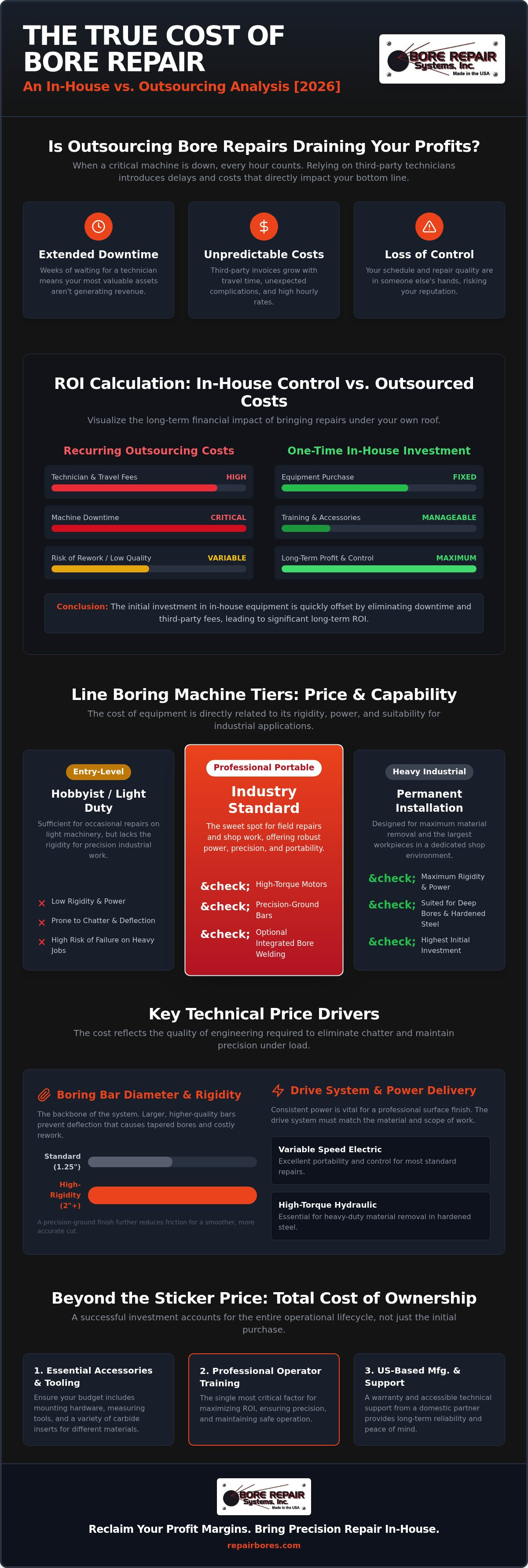
How much does it actually cost your shop to wait three weeks for a field technician who might not hit the tolerances you require? You've likely felt the sting of a parked machine and a mounting third-party invoice that seems to grow with every hour of travel time. When you evaluate the cost of line boring machine equipment, you aren't just looking at a tool; you're looking at the price of your own independence. Outsourcing critical bore repairs is a bottleneck that puts your schedule and your reputation in someone else's hands.
This 2026 pricing guide provides a clear breakdown of current market tiers and the factors that influence long-term value. We'll show you how to calculate a realistic ROI by factoring in avoided downtime, labor savings, and the impact of professional training. You'll gain a framework to justify the investment to stakeholders while identifying the hidden costs, such as accessories and tooling, that often catch shops off guard. By the end of this guide, you'll know exactly what it takes to reclaim your profit margins and bring precision repair back under your own roof.
Table of Contents
The Price Spectrum: What to Expect When Buying a Line Boring Machine
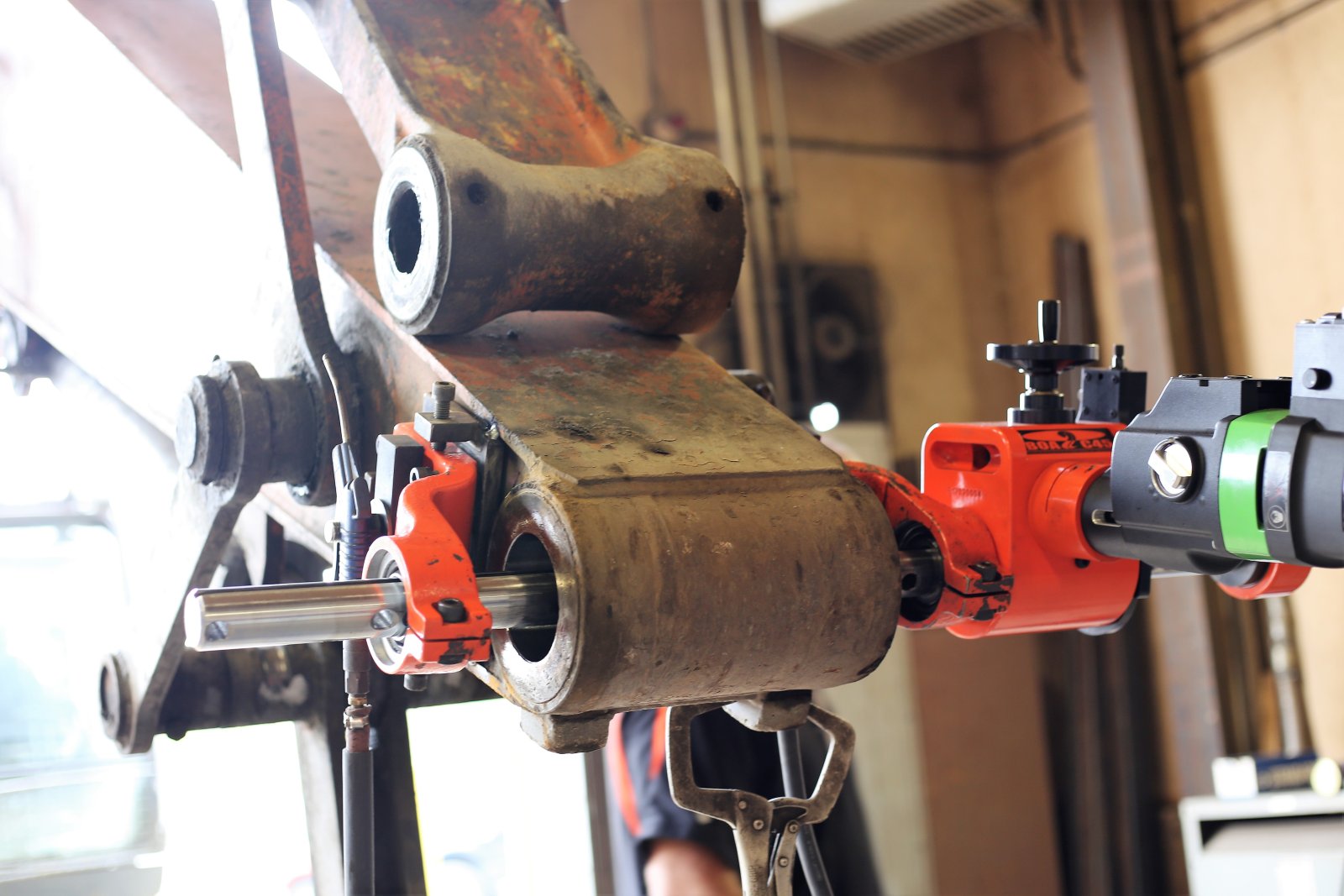
Understanding the cost of line boring machine equipment requires a look at the specific tier of work you intend to perform. The market generally splits into three categories: entry-level tools for light-duty hobbyist work, professional portable systems for field repairs, and heavy industrial machines for permanent shop installations. Price transparency is often low in this sector because these machines are rarely off-the-shelf items. Most professional setups require customization based on your specific boring bar length requirements, mounting needs, and power preferences.
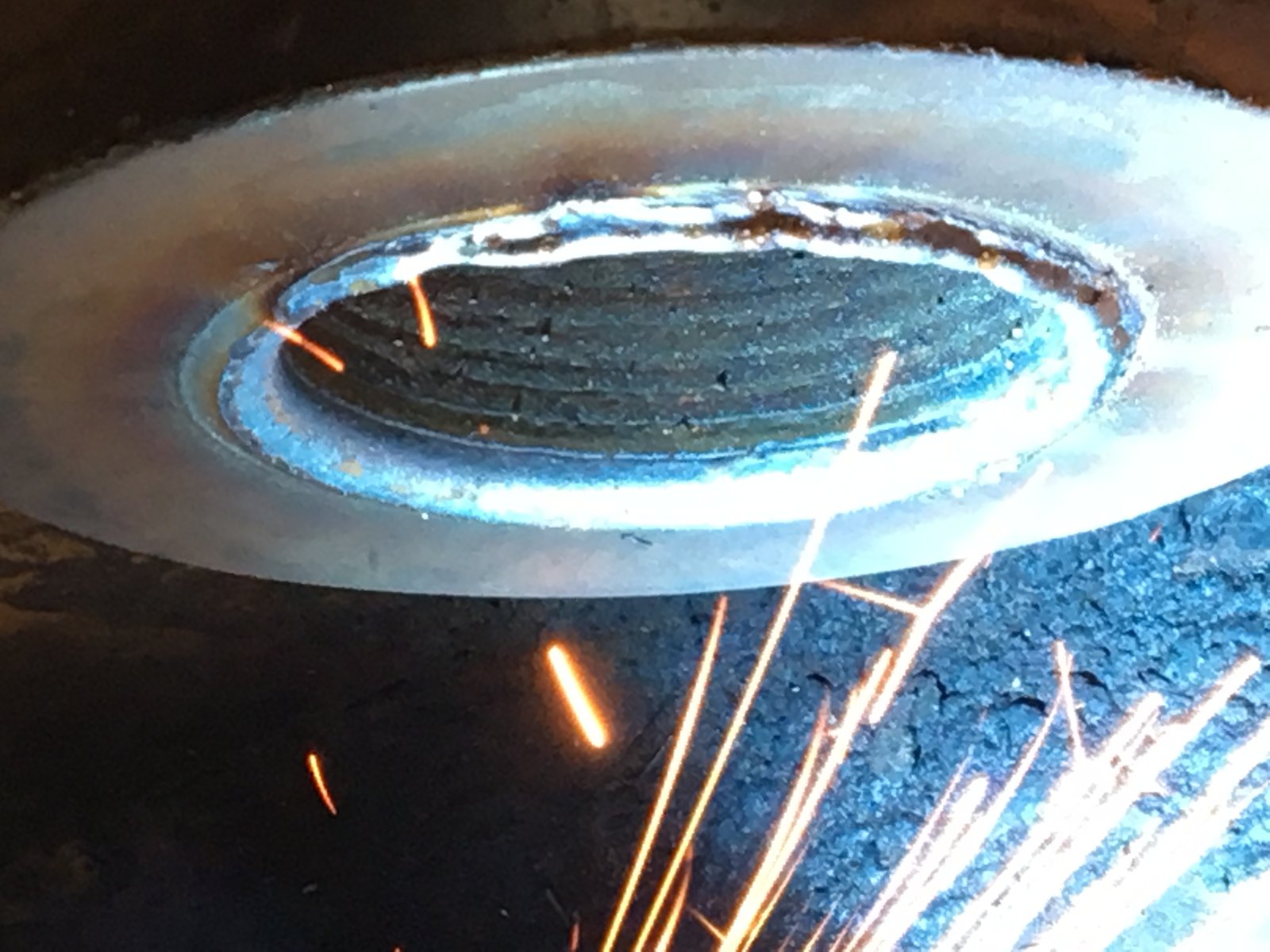
In 2026, professional portable systems remain the industry standard for heavy equipment maintenance. While standalone boring bars are available for basic cutting, many shops now opt for integrated systems that include automated bore welding capabilities. These integrated units represent a higher upfront investment, but they eliminate the manual labor of hand-welding bores before machining. An integrated system allows a single operator to weld and bore with the same setup. This drastically reduces the "cost of error" and ensures perfect alignment between the new weld material and the final cut. When you factor in the labor hours saved, the gap between standalone and integrated systems closes quickly.
Entry-Level vs. Professional Grade Systems
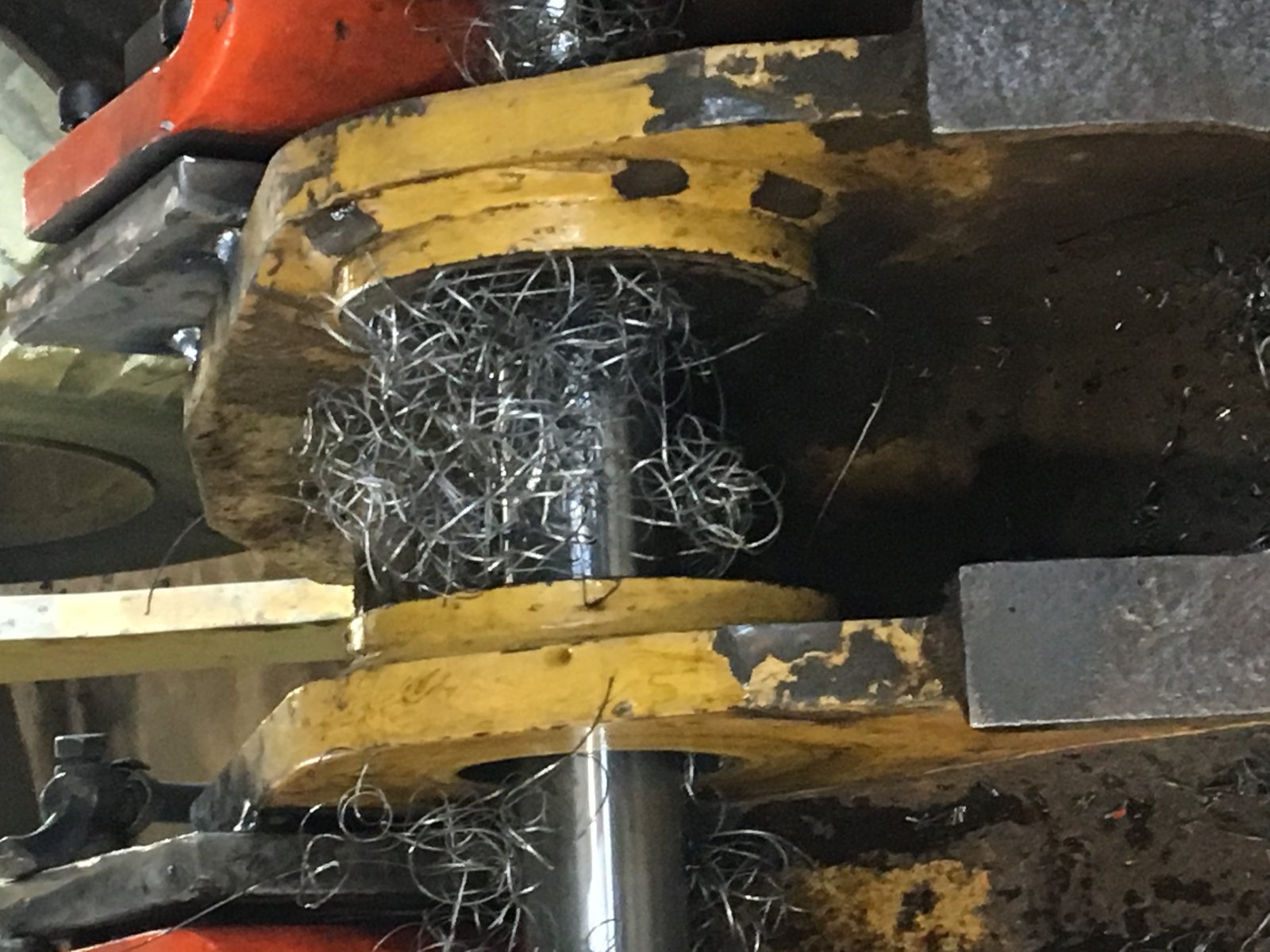
Entry-level systems might suffice for occasional repairs on light machinery, but they lack the rigidity needed for industrial applications. Professional-grade systems utilize high-torque motors and precision-ground bars to handle hardened steel without chatter. If you use underpowered equipment on a heavy excavator bucket, you risk the "price of failure." This includes ruined bores, broken tooling, and extended downtime that far exceeds the initial savings of a cheaper machine. Quality hardware provides the stability required for tight tolerances.
New vs. Used Equipment Considerations
Searching for used equipment is a common tactic to reduce the initial cost of line boring machine acquisition. However, used machines often come with hidden wear, missing accessories, or outdated drive systems. Modern systems built in 2026 offer superior ROI through automated feed controls and better safety features. We prioritize new, precision-engineered hardware at Bore Repair Systems because it ensures every component meets strict quality standards. A new machine backed by technical support and a warranty provides the reliability your customers expect from your shop. Reliability is the only metric that matters in the field.
Key Technical Drivers: Why Some Machines Cost More Than Others
The sticker price of industrial equipment is rarely arbitrary. It reflects the engineering required to maintain rigidity under extreme mechanical load. When evaluating the cost of line boring machine equipment, you're essentially paying for the elimination of chatter and tool deflection. Precision starts with the metallurgical quality of the boring bar and the complexity of the drive assembly. Cheap machines often cut corners on these core components, leading to vibration that ruins surface finishes and destroys expensive carbide inserts.
Bar Diameter and Stroke Length
Boring bars are the backbone of any repair system. A 1.25-inch bar is standard for light-duty equipment, but moving to a 2-inch bar or larger introduces significant engineering challenges. Larger diameter bars require specialized high-strength alloys to prevent sagging over long spans. If your work involves deep bores on heavy chassis, the stroke length of the machine frame must increase proportionally. This requires more raw material and more robust mounting brackets to maintain perfect alignment. Investing in high-rigidity alloys prevents the tool deflection that leads to tapered bores and expensive rework.
The physical finish of these components also dictates the final price. Standard-finish bars might look acceptable, but precision-ground bars offer significantly tighter tolerances. This precision ensures smoother feed movement through the spherical bearings. It reduces friction, minimizes wear on the drive system, and guarantees a consistent surface finish inside the bore. When you're working with tolerances measured in thousandths of an inch, the quality of the bar finish is non-negotiable.
Drive Systems and Power Delivery
Power delivery is another primary cost variable. Variable speed electric drives offer excellent portability and are ideal for most standard repairs. However, high-torque hydraulic units are often necessary for heavy-duty material removal in hardened steel. Consistent power delivery is vital for achieving a professional surface finish. Any fluctuation in torque during the cut leads to uneven patterns that can compromise the fit of a new bushing.
Working with an experienced bore welding machine manufacturer allows you to integrate automated feed systems into your workflow. While these systems increase the initial cost of line boring machine acquisition, they drastically lower operational expenses by reducing manual labor. An operator can set the precise feed rate and monitor the progress from a distance. This automation ensures a uniform cut every time and frees up your best technicians for other tasks. You can view our full range of precision-engineered systems to find the right balance of power and portability for your specific shop needs.
ROI Calculation: Buying vs. Outsourcing Your Bore Repairs
Deciding whether to purchase equipment or continue hiring contractors is a math problem, not a preference. Most shops start looking at the cost of line boring machine ownership when their outsourcing bills exceed the price of a mid-tier system within a single fiscal year. In 2026, field service rates for professional boring specialists often range between $150 and $300 per hour. When you add mobilization fees and the common four-hour minimum, a "simple" repair can cost several thousand dollars before the first chip even hits the floor. These costs are recurring and offer zero long-term equity for your business.
The Cost of Outsourcing in 2026
Outsourcing creates a dependency that affects your entire production schedule. When you compare in-house line boring vs outsourcing, you must account for the lead times of specialists. During peak construction or mining seasons, waiting two weeks for a contractor is common. If your primary earthmover is down, that wait time represents lost revenue that far outweighs the contractor's invoice. You aren't just paying for the repair; you're paying for the privilege of waiting in line. Scheduling delays with third-party vendors often result in missed project deadlines and strained client relationships.
In-House Profitability Framework
Bringing this capability in-house transforms a liability into an asset. Instead of waiting for a vendor, you can perform an excavator pin hole repair the moment the machine enters the shop. This speed keeps your fleet moving and your customers satisfied. To estimate your internal labor costs, factor in the time for setup, welding, and machining. Because modern automated systems handle the feed and rotation, your operator can often oversee the process while performing other shop tasks. This efficiency makes the internal labor rate significantly lower than a contractor's markup.
To calculate your break-even point, divide the total cost of line boring machine acquisition by your average annual outsourcing spend. Most active shops find the equipment pays for itself within 5 to 10 major repair jobs. Beyond saving money on your own repairs, owning the equipment opens a new revenue stream. You can offer line boring as a premium service to other local contractors who haven't made the investment yet. This turns your maintenance department into a profit center. When you control the schedule and the quality, you eliminate the variable results often seen with third-party vendors. Precision is more profitable when you own the tools that create it.
Beyond the Sticker Price: Accounting for Total Cost of Ownership
The sticker price is only the first entry in your ledger. To truly understand the cost of line boring machine ownership, you must account for the peripheral components and operational requirements that keep the spindle turning. Base kits provide the essentials, but most industrial jobs require specific line boring machine accessories like extra-long bars, specialized mounting plates, or spherical bearings for offset bores. Ignoring these secondary costs leads to budget overruns and mid-job delays when you realize you're missing a critical bracket for a unique housing.
The Value of Professional Training
The most advanced machine in the world is a liability if the operator hasn't been properly coached. A single mistake on a heavy excavator frame can result in a scrapped workpiece that costs ten times more than the equipment itself. Effective line boring operator training is the best insurance policy your shop can buy. It ensures that your team understands setup geometry and feed rates from day one, preventing the "learning on the job" errors that ruin reputations.
When you look at investing in training, you aren't just paying for knowledge; you're buying speed. A trained operator sets up a job in half the time of a novice. This efficiency directly impacts your bottom line by increasing the number of billable repairs you can complete each month. Bore Repair Systems prioritizes this education because we know that our customers' success depends on their ability to hit tolerances consistently without second-guessing their setup.
Consumables and Wear Parts
Operating costs include a steady stream of consumables that must be factored into your hourly shop rate. Carbide inserts, welding wire, and shielding gas are the literal fuel for your bore repair operation. High-volume shops should establish a monthly budget for these items to avoid work stoppages. Using specialized bore welding accessories ensures that your welding passes are uniform, which reduces the amount of material you need to machine away later. This saves both time and expensive cutting tips.
Finally, long-term reliability requires a commitment to line boring machine maintenance. Cleaning the bars, lubricating the feed screws, and checking motor brushes prevents the mechanical degradation that leads to chatter. This proactive approach keeps the total cost of line boring machine operation low over the life of the tool. If you're ready to build a complete repair station, contact Bore Repair Systems to discuss a package that includes everything you need to get started.
Choosing a Precision Partner: The Bore Repair Systems Advantage
Selecting the right equipment is a significant business decision. While the initial cost of line boring machine hardware is a primary factor, the manufacturer behind that tool determines its true reliability. You need a partner that understands the conditions of your workshop and the urgency of your repair schedule. Bore Repair Systems designs and builds every unit in the USA to ensure we maintain total control over quality and engineering standards. This commitment to domestic manufacturing translates directly into better tolerances for your shop and a longer service life for your equipment.
American Manufacturing and Support
When a machine is down, you don't have time to wait for parts to clear customs or for technical support to wake up in a different time zone. Choosing a bore repair equipment supplier USA means you get direct access to the engineers who designed your system. We stock our own components and ship from our domestic facility. This speed keeps your maintenance team productive. Reliability isn't just about the steel; it's about the support network that stands behind it.
Our integrated approach simplifies the repair process. Every bore welder for sale in our catalog is designed to work seamlessly with our line boring machines. This compatibility eliminates the guesswork often found when mixing different brands. You get a single point of contact for training, maintenance, and technical advice. This unified support structure is the most effective way to protect your investment and ensure your operators achieve professional results on every bore.
Customizing Your Boring Solution
We don't believe in one-size-fits-all packages. Every shop has different needs based on their fleet size and the specific diameters they repair most often. Getting an accurate quote for the cost of line boring machine equipment starts with a conversation about your typical workload. We help you select the right boring bar lengths, mounting brackets, and motor options to match your specific applications. This tailored approach prevents you from paying for features you don't need while ensuring you have the power to handle your toughest jobs.
The initial investment in high-quality, US-made equipment pays off every time you hit a tight tolerance on the first pass. It pays off when you avoid a week of downtime because a replacement part arrived overnight. Most importantly, it pays off through the confidence your customers have in your repairs. If you're ready to bring professional bore repair in-house, contact our engineering team today. We'll provide a detailed consultation and help you build a system that delivers a measurable return for years to come.
Investing in Shop Independence
Moving away from the high fees and unpredictable schedules of third-party contractors is a strategic move for any serious maintenance operation. The cost of line boring machine ownership is easily justified when you factor in the reclaimed downtime and the ability to offer precision services to your own clients. You aren't just buying a tool; you're securing a long-term asset that builds equity with every repair. Success in the field requires more than just hardware. It demands the durability of equipment made in the USA and the confidence that comes from expert-led training included with your system.
By accounting for the total cost of ownership, including essential accessories and maintenance, you ensure your team is prepared for any industrial challenge. Decades of field-proven durability mean your investment will continue to deliver a high return long after cheaper imports have failed. Stop letting external schedules dictate your productivity. Take control of your repair quality and your bottom line today. Request a Custom Quote from Bore Repair Systems to see how a tailored solution can transform your maintenance operations. We look forward to helping you build a more profitable shop.
Frequently Asked Questions
What is the average price range for a portable line boring machine in 2026?
Market prices for professional systems depend on the required torque and boring bar diameter. Entry-level tools for light-duty work are the most affordable, while heavy industrial setups for large-scale mining or construction represent a higher investment. Most professional shops choose mid-tier portable systems that balance rigidity with ease of use. The final cost of line boring machine acquisition is typically influenced by customization options like bar length and specialized mounting hardware.
Does the cost of a line boring machine include the bore welder?
Base line boring units typically do not include an automated bore welder as standard equipment. These are often sold as separate units or as part of a comprehensive repair package. Buying both systems from the same manufacturer ensures technical compatibility between the drive components and mounting brackets. Integrated systems allow for a faster transition between welding and machining, which reduces labor hours and improves the precision of the final repair.
How much should I budget for operator training?
Training costs vary based on the depth of the program and whether it is conducted on-site or at a manufacturer facility. Some equipment providers include introductory training with the purchase to ensure customer success. You should budget for both the direct cost of the education and the indirect cost of technician downtime. Investing in professional training reduces the risk of scrapped workpieces and ensures your team masters the setup geometry quickly.
Is it cheaper to rent a line boring machine for a single job?
Renting might seem cheaper for a one-off repair, but availability and logistical costs often complicate the process. Rental equipment may also have wear and tear that compromises the accuracy of your cut. If your fleet requires regular maintenance, the recurring rental fees and shipping costs add up quickly. Owning the equipment allows you to respond to failures immediately, eliminating the wait times associated with rental availability or third-party contractors.
What are the most expensive components of a line boring system?
The drive motor and the precision-ground boring bars are the primary cost drivers in any system. High-torque motors are necessary for consistent material removal in hardened steel, while the metallurgy of the bar determines its resistance to sagging. Automated feed systems also increase the initial price but provide a clear return through reduced manual labor. Quality in these core components is essential for maintaining the mechanical integrity of your repairs.
How long does it take for a line boring machine to pay for itself?
Most active repair shops find that the equipment pays for itself within five to ten major jobs. This ROI calculation includes the elimination of contractor fees and the revenue gained from getting equipment back into service faster. The payback period can be even shorter if you market your line boring capabilities to other local businesses. When you control the repair schedule, the cost of line boring machine ownership becomes a tool for profit.
Are there hidden costs in importing cheaper line boring equipment?
Cheaper imports often lead to hidden expenses such as poor part availability and a lack of domestic technical support. If a critical component fails, waiting weeks for an overseas shipment can cost you more in downtime than the initial savings. These machines often use lower-grade alloys that are prone to vibration and chatter. US-made equipment offers the durability and expert backing required to keep your shop productive without the risk of long-term failure.
Can I finance the purchase of a line boring machine?
Financing is a standard option for industrial machinery and helps many shops preserve their liquid cash flow. Many businesses choose equipment leasing to put the tool to work immediately while spreading the cost over several years. You should speak with your equipment supplier to identify current programs or third-party lenders that specialize in industrial tools. Proper financing allows the machine to generate the revenue needed to cover its own monthly payments through improved efficiency.
Comments