

Buying a Line Boring Machine for Local Repair Businesses

Buying pays when the work keeps the machine earning. The financial case for buying a line boring machine depends on demand for suitable repairs, how often you can use it, and whether the equipment fits the jobs you expect. For occasional work, renting can avoid tying up capital in equipment that sits idle.
Weigh the purchase investment against rental costs, operating expenses, and the cost of keeping the machine ready for work. Ownership also depends on whether you can take on enough suitable jobs to make the investment practical.
This article explains how to compare renting with buying, match bore range to likely work, account for operating costs, and assess local demand. You’ll have a practical framework for deciding whether ownership fits your repair business.
Table of Contents
3 - Should I rent or buy my equipment?
Renting can suit irregular demand; ownership may make sense when steady work keeps equipment productive. Compare total costs, job fit, and workload before deciding.
Prices and New or Used Options
Line-boring equipment costs vary with capacity, drive type, included tooling, and the work it must handle. Compare complete setups, not just the machine: accessories, transport, setup, and maintenance all affect the investment. New equipment has a known condition, while used equipment may require more inspection and repair planning.
For used equipment, inspect spindles and gearboxes for play, then check fences, stops, clamps, air supply, and drill chucks. Wear in these areas can affect setup and operation. Include repairs and replacement parts in your ownership calculation before comparing used equipment with renting.
Equipment Selection and Outsourcing Costs
Match the equipment to bore size, workpiece material, and project requirements. A hydraulic line-boring setup may suit work that calls for a hydraulic drive, but the right choice still depends on the job and setup. An undersized or poorly matched machine can limit the work you accept; excess capacity may tie up capital without adding useful production.
Buying can cost less than outsourcing when repeat jobs generate enough contribution to cover ownership and operating costs. Compare your expected in-house cost per job with the full outsourced cost, including transport and downtime where relevant. Buying is not automatically more cost-effective: job frequency, complexity, and scheduling all matter.
Financing, Tax Deductions, and Depreciation
In the United States, compare a cash purchase with borrowing or equipment leasing, accounting for payment timing, interest, fees, and contract terms. Tax deductions and depreciation depend on the asset, its business use, the purchase or lease structure, and applicable tax rules. Model the purchase without assumed tax savings first, then discuss possible tax treatment with a qualified tax professional.
This approach keeps the operating decision separate from tax treatment. Keep purchase, financing, and business-use records together so a tax professional can assess the equipment’s treatment accurately.
Payback Period and Return on Investment
There is no universal payback period or ROI for a line boring machine. Calculate payback by dividing the total purchase and setup investment by the net contribution the machine generates over a consistent period. Net contribution is job revenue minus job-specific costs, such as consumables, labor, and travel.
To assess ROI, compare net contribution with the total investment and ongoing ownership costs. Include idle periods, maintenance, and training. The financial case for buying a line boring machine strengthens when suitable work is consistent and the equipment fits those jobs.
Before deciding, map expected jobs against the machine’s capacity and your team’s ability to operate it. For portable line boring examples, see the portable line boring demonstrations. If work is sporadic, renting can preserve cash; recurring, suitable jobs may support ownership.
Choosing a machine based on hole diameter range
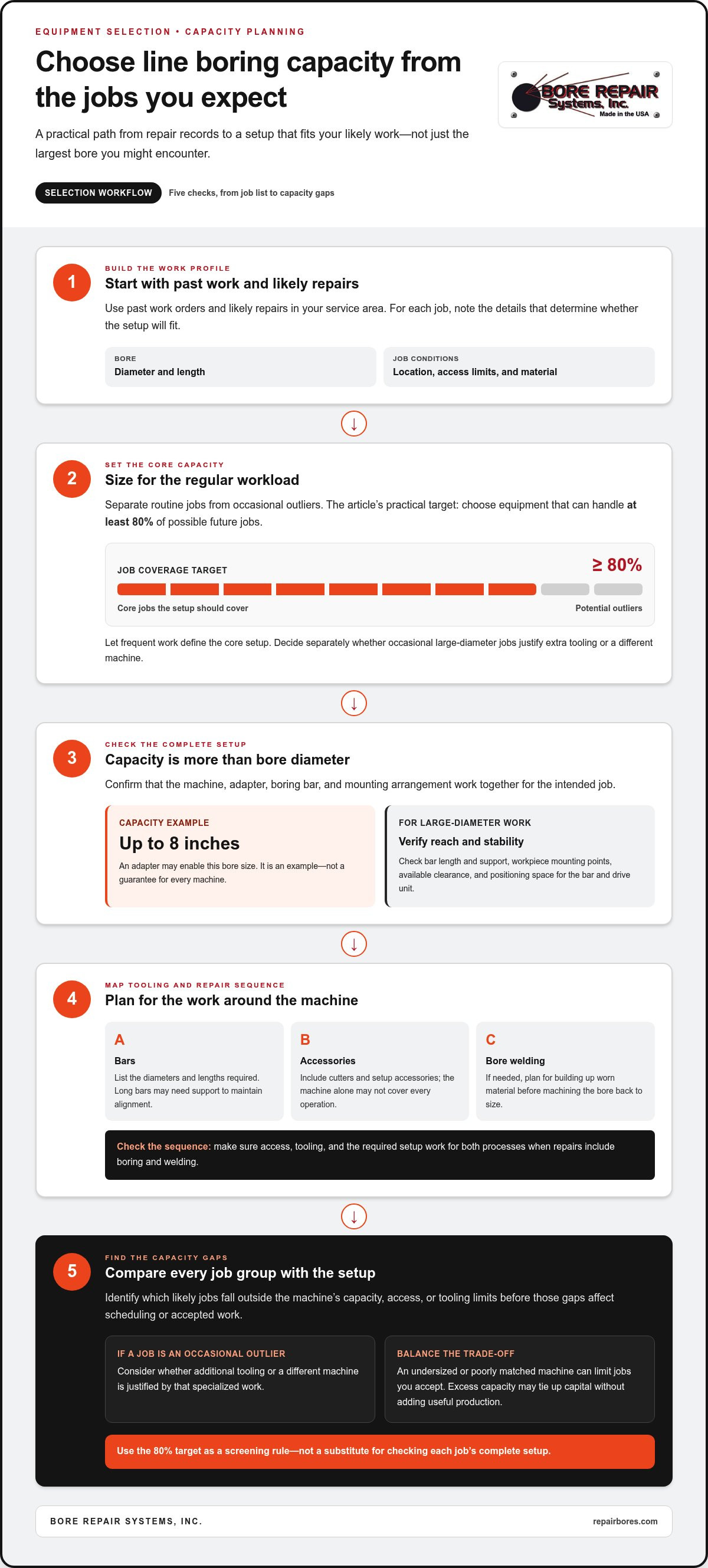
Choose boring capacity from the repair jobs you expect, not the largest bore you might encounter. A practical target is equipment that can handle at least 80% of possible future jobs.
Start with the bore measurements
Build a job list from past work orders and likely repairs in your service area. Record each bore’s diameter, length, location, and access limits. For example, a worn pivot bore may need a different setup from a bore with restricted clearance around the workpiece. These details help define capacity beyond diameter alone.
Separate routine work from occasional outliers. If most jobs fall within a narrower diameter range, size the core setup for that regular workload. Then decide whether unusually large diameters justify additional tooling or a different machine. This prevents a rare repair from dictating every equipment choice.
Match capacity to the whole setup
A line-boring setup may use an adapter to bore holes up to 8 inches in diameter. Treat that figure as a capacity example, not a guarantee that every machine handles that range. Confirm how the machine, adapter, boring bar, and mounting arrangement work together for the intended job.
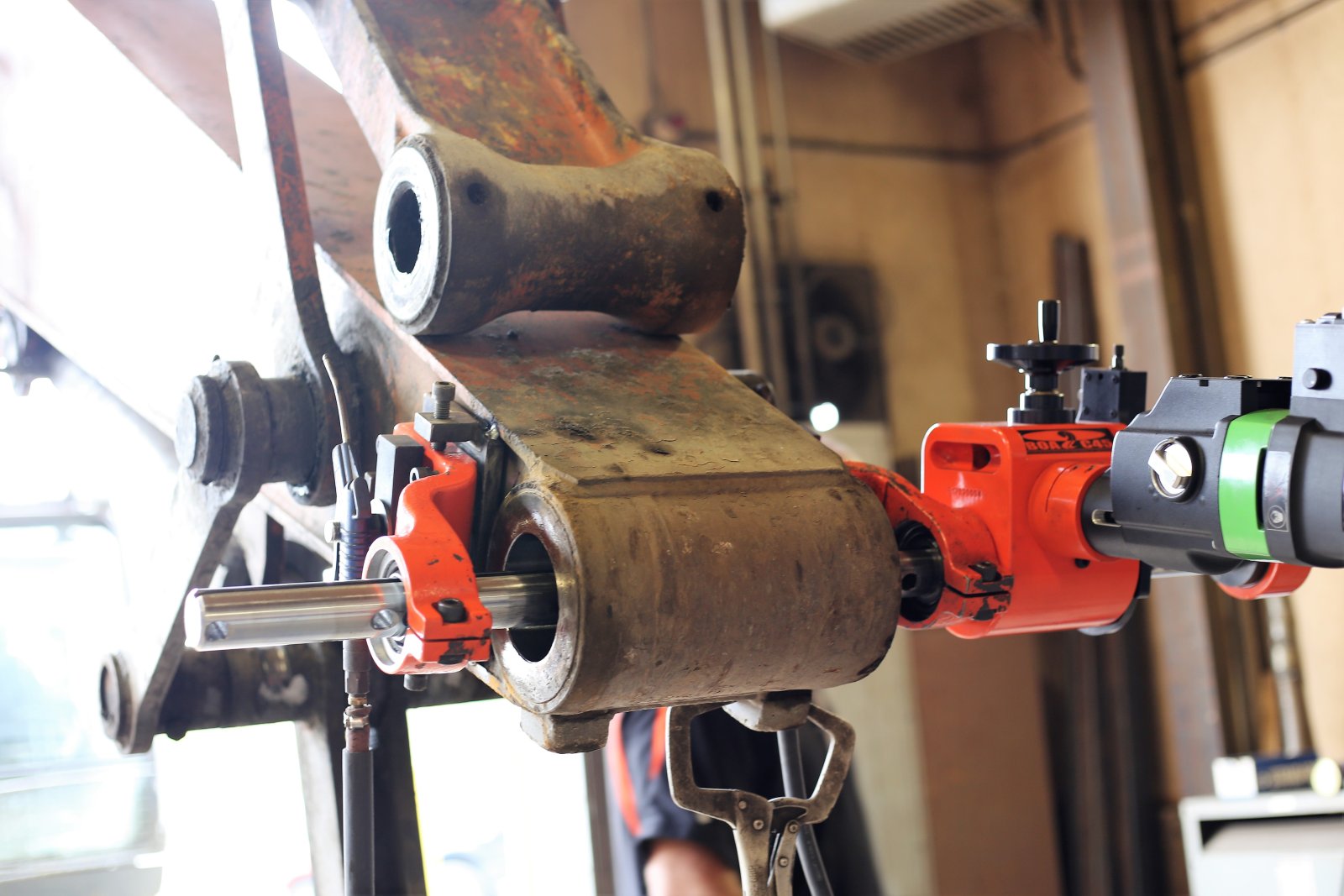
Large-diameter work also depends on boring-bar length, support, and clearance. The bar must reach through the bore while maintaining a stable setup. Check the workpiece’s mounting points and the space available for positioning the bar and drive unit. Diameter alone does not determine whether a job is workable.
Plan for bars, tooling, and welding
List the bar diameters and lengths your expected repairs require. Match each bar to the machine’s capacity and the workpiece geometry. A long bar, for example, may reach a deep bore but need support to maintain alignment. Include cutters and setup accessories in the capacity plan, since a machine on its own may not cover every operation.
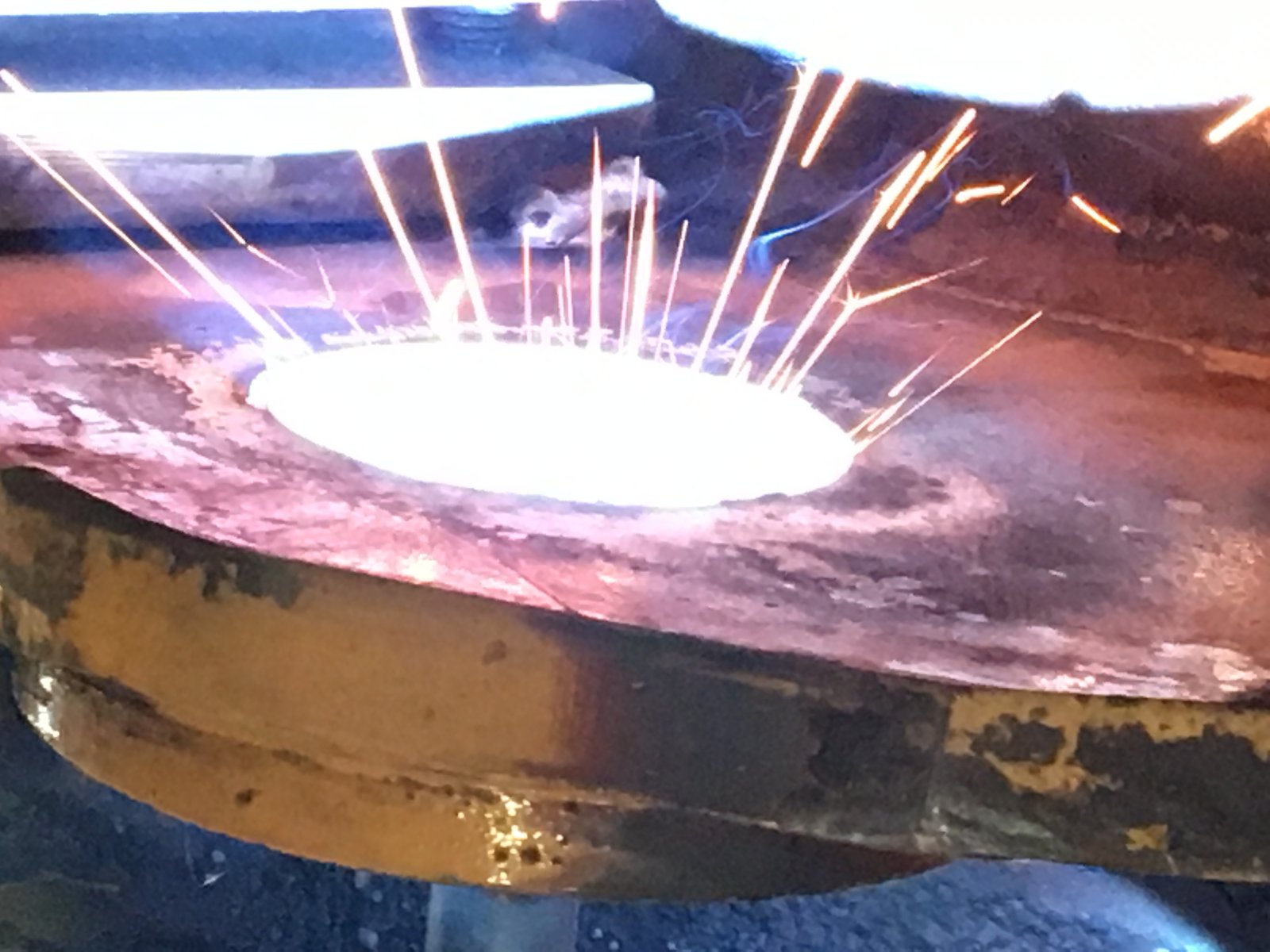
Consider whether bore welding is part of the repair sequence. Welding can build up worn material before machining brings the bore back to size. If your work includes both processes, make sure your equipment plan accommodates the required sequence, access, and tooling, rather than selecting on boring diameter alone.
Turn job records into a selection rule
Group likely jobs by bore diameter, access, and material. Compare those groups against machine capacity, then identify which jobs fall outside the range. Use the 80% target as a screening rule, not a substitute for checking each setup. This makes capacity gaps visible before they affect scheduling or accepted work.
For a machine-range discussion tied to your repair mix, share your bore requirements and the workpiece constraints. Include representative diameters and access details so the equipment selection reflects actual jobs.
Training, support, and operating costs
Machine ownership involves more than powering the equipment. Training, setup, consumables, maintenance, and technician time all affect repair costs. Track these items from the first job so your operating model reflects how the machine will actually be used.
Train for the full repair sequence
Plan training around the work your team will perform, from machine assembly and mounting through measurement and machining. Line-boring and bore-welding training can help technicians understand the sequence and the decisions each stage requires. A repair involving welded buildup, for example, needs a clear handoff between welding and boring.
Use a representative workpiece for practice. Have the operator set up the machine, measure the bore, select machining parameters, and document the result. This exposes gaps before a live repair ties up the machine or delays other shop work. Record setup steps so another operator can repeat them.
Account for setup and consumables
Build a job-cost sheet around the parts and tasks each repair requires. Include cutting tools, welding consumables when applicable, cleaning materials, and replacement items. A job with a long setup or difficult mounting arrangement also uses technician time, even if the cutting operation is brief.
Separate costs that apply to every job from those that vary by workpiece. A cutter used on a particular bore, for example, belongs with that repair, while routine machine inspection belongs in the general operating budget. This makes jobs easier to compare and shows which work uses the machine efficiently.
Schedule maintenance around machine condition
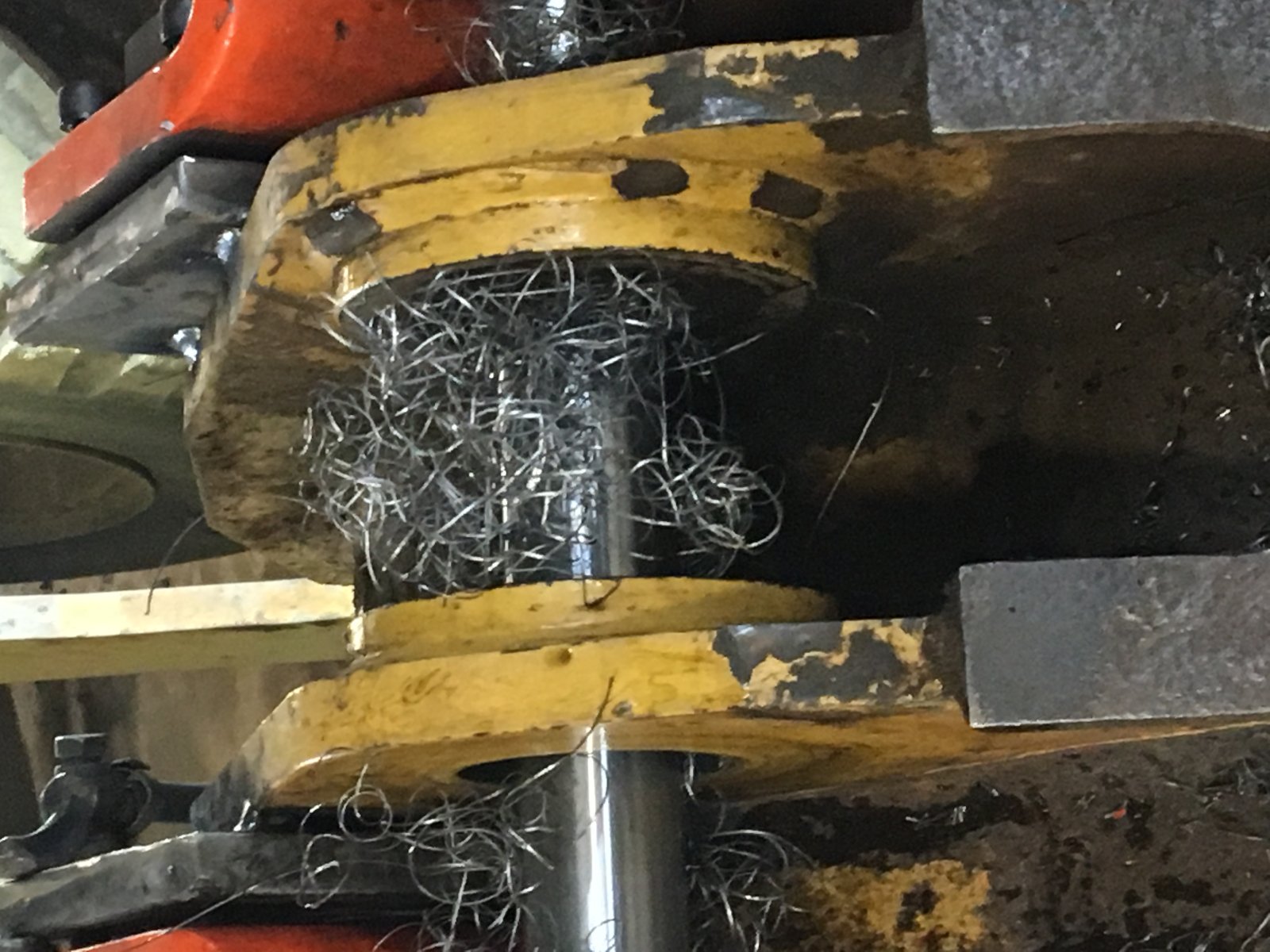
Inspect the boring bar, cutter, bearing, clamps, and mounting hardware before each setup. Look for wear, movement, or damage that could affect alignment. After the job, clean contact surfaces and store tooling so chips and debris do not complicate the next installation.
Keep a maintenance log with the date, machine condition, parts replaced, and any setup issues. A note about a loose clamp or worn bearing gives the next operator a specific item to inspect. Use the log to plan maintenance during quieter periods instead of discovering a problem during a scheduled repair.
Measure the true cost per job
For each completed repair, record operator hours, setup time, consumables, travel, and any rework. Compare jobs with similar bore conditions, since difficult access or extra mounting work can change the time required. Machine uptime alone is not productivity: the useful measure is a completed, properly documented repair.
Review the records regularly. If setup takes longer than machining, improve the mounting procedure or operator practice. If a particular cutter drives recurring costs, account for that pattern in job planning. This operating record turns training and maintenance decisions into practical inputs for evaluating ownership.
Assessing local repair demand and business opportunities
Demand depends on nearby equipment, recurring wear, and access to repair work. Map the industries and machinery in your service area before estimating potential jobs.
Start with sectors that operate heavy equipment. Construction fleets, mining operations, agricultural businesses, and industrial plants may have machinery with worn pivot bores or other repair needs. Treat these as prospects to investigate, not guaranteed customers. List the equipment types, likely repair locations, and businesses that maintain them.
Portable line-boring machines can repair pipelines and refinery plants in the oil and gas sector. Assess this market where those facilities and related maintenance activity exist. Consider whether your team can reach the worksite, handle the bore geometry, and coordinate equipment access with the customer’s repair schedule.
Build a demand map from practical evidence. Review your repair inquiries and completed work orders, then group them by equipment type, bore condition, and location. Ask existing customers about recurring repair needs. A cluster of similar excavators, for example, may point to repeat demand for worn pin bores, while widely dispersed customers can make travel less efficient.
Job profitability depends on the time and resources each repair consumes. Setup time, bore access, required tooling, operator hours, consumables, and travel all affect the contribution left after direct costs. A nearby repair with straightforward mounting may be more profitable than a distant job requiring complex setup, even if both involve similar machining.
Estimate demand conservatively by separating confirmed work from possible leads. Scheduled maintenance or repeat customer requests are stronger signals than general interest. Compare likely workload with your team’s available capacity, travel pattern, and machine range. This shows whether opportunities could support regular use or mainly occasional jobs.
Track each opportunity in a simple job log. Record customer type, equipment, repair location, bore details, setup needs, travel, and outcome. For example, separate repeated pipeline-related inquiries from one-off agricultural repairs. This helps show which market segments generate repeatable work and which require a different sales or scheduling approach.
Use the findings to define your service area and job criteria. If refinery work involves extended travel, group site visits where practical and include mobilization time in your estimate. If nearby equipment shops handle similar repairs, identify the specific bore work they refer or cannot complete. Build a realistic picture of demand rather than assuming every local fleet needs line boring.
Update the map as inquiries arrive. Changes in local projects, fleet maintenance, or customer mix can shift the types of repair work available. Tie the machine decision to jobs you can reach, complete, and schedule efficiently.
How many line boring jobs per month are needed to break even?
There is no universal monthly job count for break-even. The threshold depends on fixed ownership costs and the contribution each completed repair generates. Use your costs and expected job mix to calculate a useful target rather than relying on a generic estimate.
Start with this formula: monthly break-even jobs = monthly fixed costs ÷ average contribution per job. Contribution is what remains after job-specific costs, including labor, consumables, and travel. Round the result up to a whole job. If repair costs vary significantly, calculate contribution separately for each job type.
Build the fixed-cost figure from costs that continue even during quiet periods. Include items such as:
Machine financing payments or an allocated ownership cost.
Routine maintenance and replacement tooling.
Insurance, storage, and other applicable business overhead.
Training time and planned downtime that affect available capacity.
Keep investment recovery separate from operating break-even. A machine may cover its monthly operating costs before it has recovered the purchase investment. To include payback, spread the investment across the period you want to assess, then add that allocation to monthly fixed costs. This gives you a fuller target for evaluating ownership.
For example, compare a routine pivot-bore repair with a difficult job requiring extra setup and longer travel. The first may leave a larger contribution if it uses fewer direct resources. The second can still be worthwhile, but revenue alone does not show whether it helps reach break-even. Use expected contribution, not job count alone.
Test the calculation against a conservative workload and a stronger workload based on actual inquiries or work orders. If the conservative case falls short, consider how renting or outsourcing changes the calculation. If expected work exceeds the threshold, check that technician availability, machine capacity, and scheduling can support the volume.
Review the result as costs and job mix change. More travel time or consumable use lowers contribution per repair and raises the required job count. Faster setup or better scheduling can improve contribution without changing the machine’s purchase cost. Track completed work monthly and compare actual results with your original estimate.
Use the calculation to frame equipment decisions around your repair mix and operating plan. Discuss your line-boring equipment requirements and the jobs you expect to handle.
Optional kits and accessories can extend a portable line-boring machine’s functionality for specific jobs. Include them when assessing the repair mix your setup can handle.
Bore Repair Systems, Inc. - Bore Repair Made Easy with our USA made Lineboring and Boreweld solutions: Bore Welders
Bore Repair Systems, Inc. - Bore Repair Made Easy with our USA made Lineboring and Boreweld solutions offers equipment and training for businesses evaluating in-house bore repair. Its Bore Welders, Line Boring Machines, Bore Repair Accessories, and portable machine tools can support different stages of equipment bore work. Line boring and bore welding training services help technicians build the skills needed to operate equipment and perform repair processes.
Turn to these offerings when your local job mix supports bringing bore repair capability in-house and you’re assessing suitable equipment or training. The next step is to compare your typical work requirements with the equipment and skills needed. Contact Bore Repair Systems, Inc. to discuss your requirements.
Turn your assessment into a practical next step
Before committing capital, make the decision part of an operating plan. Identify the repairs you intend to take on, who will perform them, and how the work fits alongside your current workload. This keeps the financial case for buying a line boring machine connected to daily operations, not just a projection on paper.
Use your estimates to define the equipment and training you need. Bring representative bore requirements and the repair work you want to handle into the discussion. This creates a clear starting point for considering line-boring and bore-welding solutions without treating every setup as interchangeable.
If you’re ready to discuss your equipment needs, contact Bore Repair Systems, Inc. - Bore Repair Made Easy with our USA made Lineboring and Boreweld solutions. Take the next step with a clear view of the work you want to bring in-house and build a plan that fits your business.
Frequently Asked Questions
How much does a line boring machine cost to buy?
Purchase cost depends on machine capacity, bore range, drive configuration, and included accessories. A setup for large or specialized work differs from one intended for a narrower repair mix. Compare complete configurations, including required tooling, rather than assessing the machine alone. New and used equipment also differ in condition and inspection needs. Define the setup using your expected jobs, then evaluate its total acquisition cost.
What are the typical operating, maintenance, tooling, and training costs?
Costs depend on how the machine is used and the repairs your team performs. A job using specialized cutters or bore-welding materials has different consumable needs from straightforward machining. Plan for inspection, cleaning, and worn components as part of maintenance, and account for technician time spent training. Track costs by job type, separating field travel and consumables from routine machine care to see what each repair requires.
What are the risks of low utilization, competition, downtime, and changing demand?
Low utilization spreads ownership costs across fewer completed jobs, while downtime reduces capacity when repairs are scheduled. Other repair options can affect which jobs reach your shop, and demand may shift with customer equipment needs. Track inquiries, accepted jobs, lost work, and machine downtime together. If demand weakens, those records can show whether the cause is fewer suitable repairs, scheduling limits, or equipment availability.
Comments